

By Destiny Clarkson, Contributor
Running a successful restaurant has always required creativity, strong operations, and an ability to adapt quickly to changing customer expectations. In recent years, however, the pressure to diversify revenue has intensified. Rising food costs, labor challenges, and shifting dining habits have underscored the importance of building income streams that do not rely solely on in person dining.
The good news is that restaurants are uniquely positioned to expand into new channels that strengthen the brand while unlocking fresh opportunities for growth. With the right strategy, revenue diversification can enhance stability and deepen customer loyalty.
Expanding Into Branded Merchandise
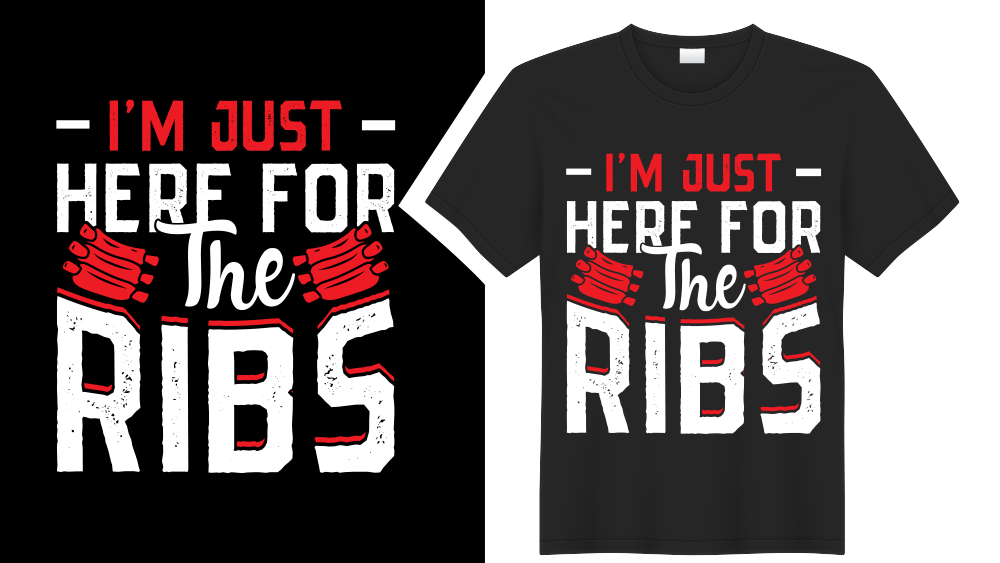
Branded merchandise can be a powerful extension of a restaurant’s identity. Guests often form emotional connections with favorite dining and drinking spots, which makes apparel and lifestyle items appealing additions to one’s business (and closet).
A well-designed T shirt, hat, tote bag, or mug becomes a conversation starter that keeps the restaurant visible in everyday life. Merchandise also taps into a growing consumer interest in supporting local businesses and celebrating community-oriented brands.
Quality matters. Customers are more likely to purchase merchandise that feels intentional, attractive, and authentic to the restaurant’s personality. Limited edition designs, collaborations with local artists, or seasonal collections can give fans a reason to come back. Digital platforms such as online company merch stores make it simple to manage inventory, sell items on demand, and showcase products without the need for significant in house storage.
When executed thoughtfully, restaurant merch becomes both a marketing asset and a steady revenue channel.
Packaging the Restaurant Experience for Home

Another effective approach to diversifying revenue is making parts of the menu available for customers to enjoy at home. Meal kits, bottled sauces, spice blends, and signature marinades provide fresh ways for guests to recreate favorite dishes. These products can be sold in house, online, or through partner retailers. They also serve as high quality gifts that extend reach beyond the core customer base.
The key is choosing items that reflect what sets the restaurant apart. A well-loved dressing or marinade often translates well into packaged form. Clear instructions and appealing packaging help ensure customers have a positive experience preparing the item at home. Meal kits can be offered in multiple difficulty levels, from fully prepped ingredients to simple add-on bundles that complement everyday cooking. Every at home product helps reinforce brand loyalty while adding predictable revenue.
Offering Classes, Experiences, and Events

Restaurants are natural gathering places where people connect over food. That environment lends itself to workshops and events that go beyond the standard dining experience. Cooking classes, wine tastings, beer pairing nights, and chef-led demonstrations can draw in audiences who want more than a meal. These experiences allow customers to interact with the brand in a deeper way while generating additional income.
Events can be tailored to different audiences. Families may appreciate weekend cooking classes, while corporate groups might prefer private team building sessions. Special ticketed dinners with themed menus or guest chef collaborations can also create excitement. Experiences encourage repeat visits, attract new guests, and provide content for social media that amplifies visibility. When tied to seasonal ingredients or cultural celebrations, events can become signature moments that customers anticipate each year.
Expanding Catering and Offsite Services

Catering allows restaurants to reach customers who may not visit in person. Office lunches, private parties, weddings, and community events present valuable opportunities to introduce the brand to broader audiences. Offering tiered catering packages can help customers choose options that fit their needs and budgets.
Well-executed catering requires clear communication and consistent quality. Menus should feature items that travel well and represent the core strengths of the restaurant. Delivery and setup options make catering more appealing for clients planning larger events.
By creating streamlined processes and reliable service standards, restaurants can build a reputation that leads to repeat business. Offsite work expands reach without straining dining room capacity, making it a strong pillar in a diversified revenue strategy.
Partnering With Local Businesses and Creators

Collaboration can open new pathways for revenue and elevate a restaurant’s brand presence. Partnering with local breweries, distilleries, bakeries, artists, or farms can lead to unique cross-promotional opportunities. Limited edition products, cobranded events, or collaborative menu items introduce the restaurant to new audiences while supporting the broader community.
Local businesses often share similar values and customer bases. Collaborative promotions can include bundled items, special menus, or pop-up appearances. These partnerships create buzz and reinforce the restaurant’s identity as an engaged and community minded organization. They also provide a fresh creative outlet for staff, which can strengthen workplace culture.
Conclusion
Diversifying revenue is no longer optional for restaurants navigating a competitive and unpredictable landscape. The most successful strategies build on what makes the restaurant unique and expand that value into new formats, experiences, and channels. Merchandise, at home products, events, catering, and local partnerships all provide opportunities to reach customers in fresh and meaningful ways. By exploring these avenues with intention and creativity, restaurants can strengthen their financial foundation while deepening connections with the communities they serve.






Restaurants are uniquely positioned to expand into new channels that strengthen the brand while unlocking fresh opportunities for growth. With the right strategy, revenue diversification can enhance stability and deepen customer loyalty.