

By Destiny Clarkson, Contributor
Rooftop bars and restaurants often thrive during warmer months when open air seating, views, and social energy naturally draw crowds. When temperatures drop or weather becomes unpredictable, these venues can experience a sharp decline in foot traffic and revenue.
The challenge for operators is finding ways to maintain momentum beyond peak season without sacrificing brand identity or guest experience. With the right strategy, the off season can become a period of steady performance rather than a financial lull.
Thoughtful planning, creative programming, and smart design choices allow rooftop concepts to remain relevant and profitable year-round.
Reframing the Rooftop Experience for Cooler Months

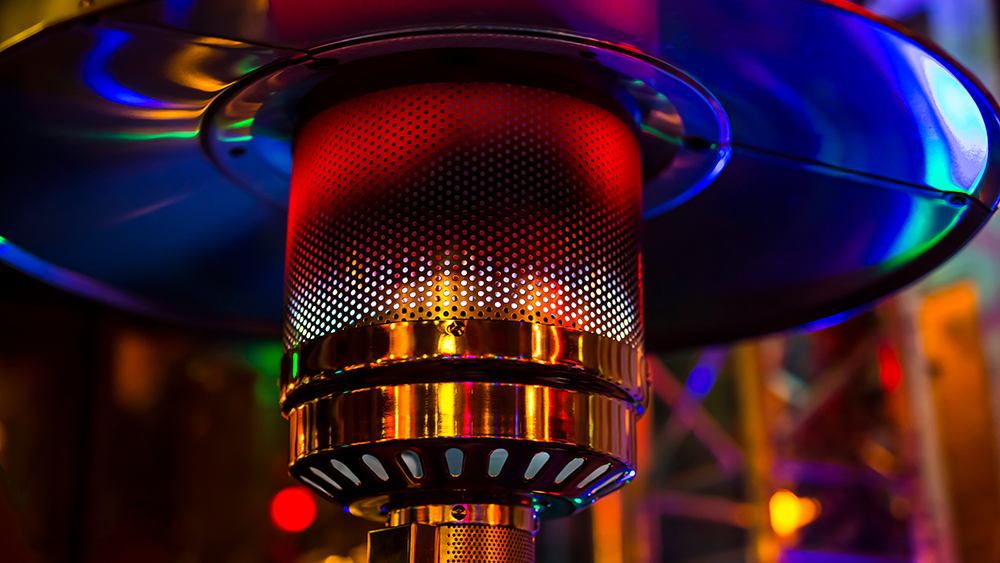
One of the most effective ways to sustain demand is to rethink what guests expect from a rooftop venue during the off season. Instead of trying to recreate the summer vibe, successful operators lean into seasonal appeal. Cooler months invite cozier atmospheres, intimate seating arrangements, and menus that reflect comfort and warmth. Heated sections, wind barriers, and covered areas help maintain usability while reinforcing a sense of intentional design.
Lighting plays a major role during this transition. Soft ambient lighting, fire features, and warm-toned fixtures can transform a rooftop into an inviting escape even in colder weather. When guests feel protected from the elements and still surrounded by a compelling atmosphere, the rooftop remains a destination rather than a compromise.
This shift in perspective positions the off season as an opportunity to deepen the brand experience instead of simply enduring slower months.
Programming That Drives Consistent Traffic
Events and programming give people a reason to visit when weather alone is no longer the draw. Seasonal themes such as winter cocktail launches, rooftop cinema nights, or curated tasting events can generate renewed interest. The key is consistency. Regularly scheduled events create anticipation and habit, encouraging repeat visits from local patrons even when tourist traffic declines.
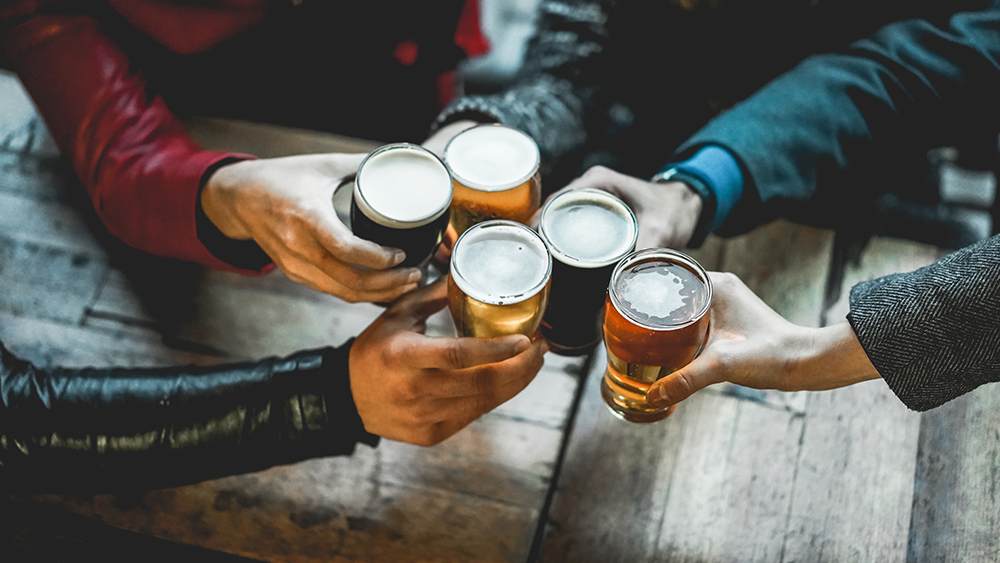
Collaborations also add value during the off season. Partnering with local breweries, chefs, musicians, or cultural organizations introduces new audiences and shared marketing reach. Limited time experiences foster urgency without requiring permanent changes to the space.
Special menus, prix fixe dinners, or ticketed events allow operators to control margins while delivering unique value. When paired with targeted promotion, programming can stabilize revenue across slower periods.
Menu Engineering and Cost-Conscious Adjustments
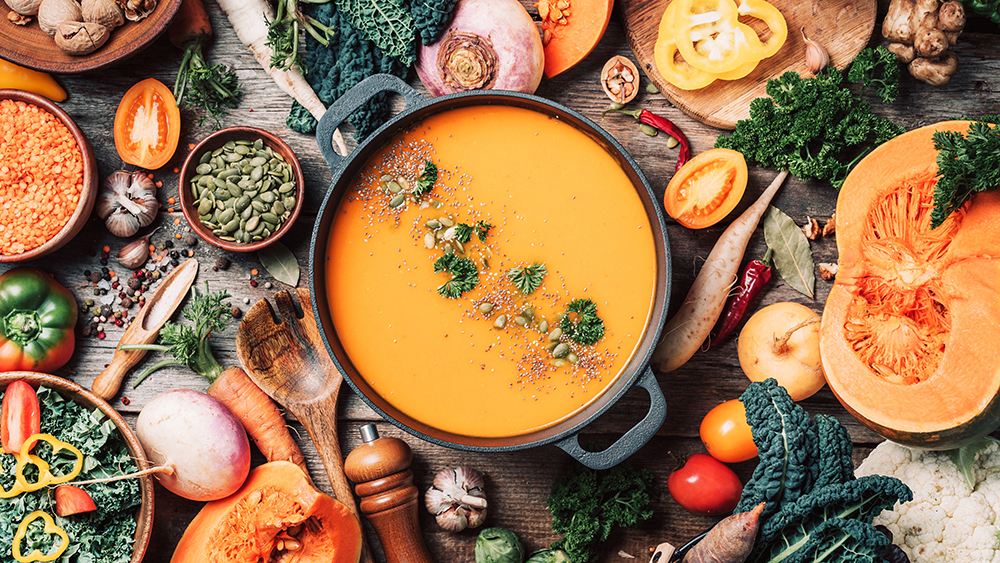
Profitability during the off season often depends on thoughtful menu design. Seasonal ingredients not only align with guest expectations but may also reduce food costs. Comfort driven offerings such as warm cocktails, sharable plates, and hearty entrees encourage longer stays and higher average checks. Beverage programs can be particularly effective, with hot drinks, seasonal infusions, and premium pours providing strong margins.
Operational efficiency matters just as much as creativity. Evaluating labor schedules, supplier contracts, and inventory turnover helps identify areas to tighten without compromising quality. Offering a focused menu during historically slower shifts can reduce waste and streamline execution. These adjustments allow operators to protect profitability while maintaining a high standard of service.
Designing for Flexibility and Visual Appeal
Physical design choices should support year-round usability. Flexible furniture arrangements, modular partitions, and adaptable decor allow rooftops to scale up or down based on demand. Visual appeal remains critical during the off season, as guests are still motivated by atmosphere and shareable moments.
Surface treatments and flooring can influence both function and perception. For example, incorporating artificial grass in Tulsa and other urban areas has become a popular way to maintain greenery and texture without the maintenance challenges of natural materials. This approach helps rooftops retain a vibrant look even when plants struggle during colder months.
Design elements that signal care and intention encourage guests to see the rooftop as an extension of the overall dining experience rather than a seasonal afterthought.
Marketing Strategies That Emphasize Year-Round Value
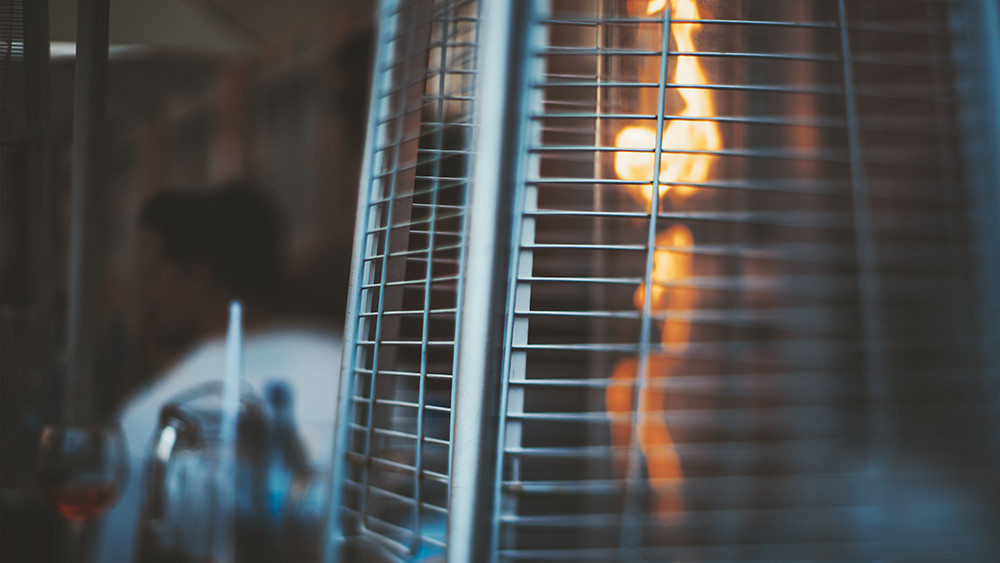
Clear communication is essential to changing guest behavior. Marketing efforts should highlight what makes the rooftop appealing during the off season, whether that is weather protected seating, exclusive programming, or a unique ambiance. Messaging that emphasizes comfort, atmosphere, and special offerings helps reset expectations.
Digital channels provide cost effective ways to stay visible. Email campaigns, social media previews, and loyalty programs keep regular guests engaged between visits. Encouraging user generated content through photo worthy installations or seasonal activations extends reach organically. When guests understand that the rooftop is intentionally designed for year-round enjoyment, visitation becomes a matter of preference rather than weather.
It’s a unique proposition that operators should lean into when marketing to guests. Highlight the ambiance and the experience. Demonstrate that customers can have an amazing meal, stay warm and cozy, and enjoy the beauty of winter at the same time.
Conclusion
Seasonality does not have to dictate profitability for rooftop bars and restaurants. By reframing the guest experience, investing in off season programming, and making flexible design and operational choices, operators can create sustained appeal beyond peak months. The most successful rooftops view the off season as a chance to differentiate, innovate, and strengthen relationships with their audience. With deliberate planning and a focus on comfort and creativity, rooftop venues can remain vibrant contributors to revenue and brand identity year-round.






Learn how to create outdoor dining spaces that draw more guests with tips on timing, layout, weather-proofing, ambiance, and marketing.