
By Destiny Clarkson, Contributor
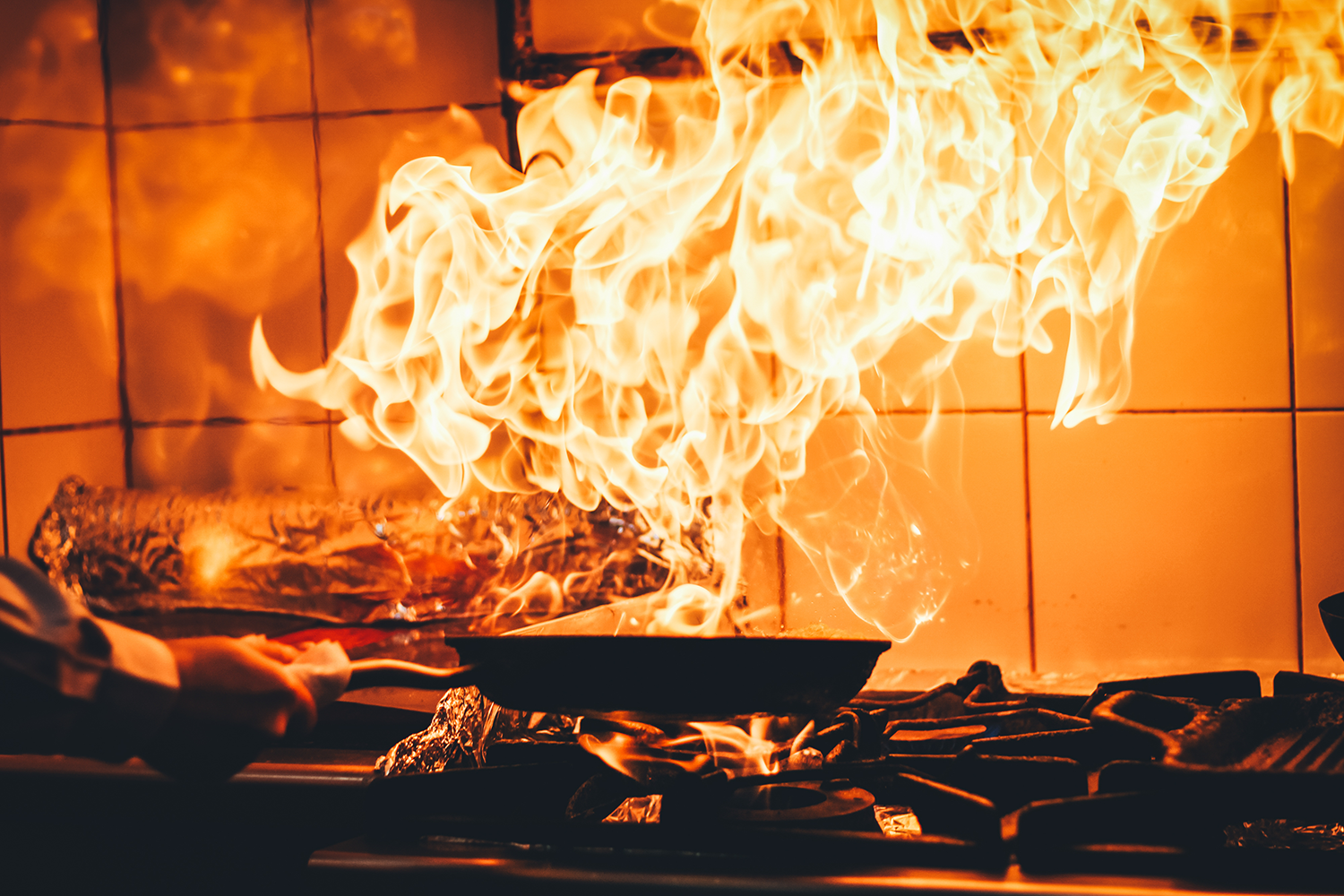
Recovering from a fire is a complex process for any business, but the journey carries special weight for bars and restaurants. Once the flames are extinguished and the property has been stabilized, the path to reopening requires careful planning, expert support, and successful completion of several health and safety inspections.
Restaurants, commercial kitchens, bakeries, food processors, and grocery facilities must navigate a stricter set of standards than many other industries because the environment must protect public health. Understanding what to expect during post-restoration inspections helps owners and managers prepare confidently and avoid delays in reopening.
Addressing Structural and Environmental Hazards
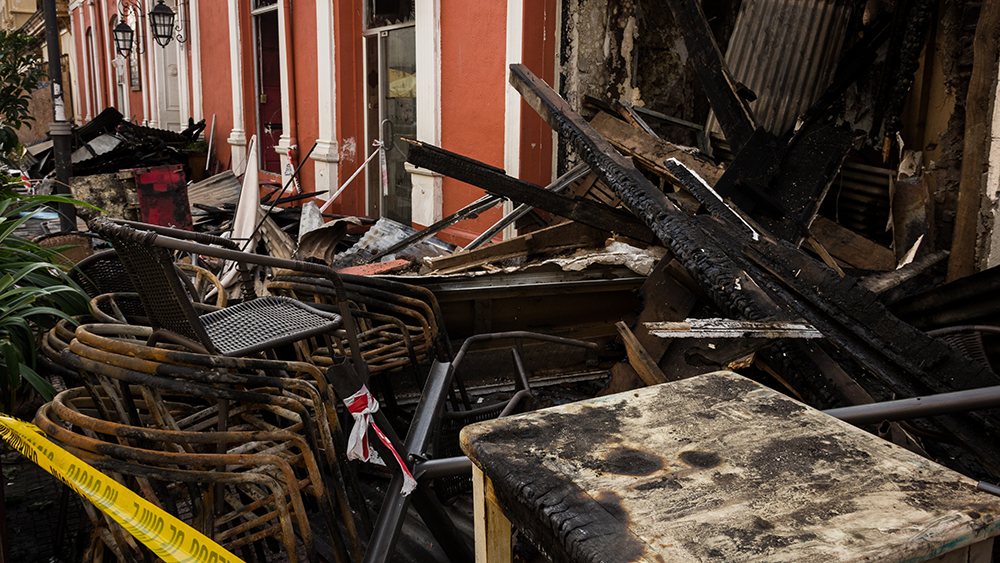
Before a facility can even begin preparing for formal inspections, the structure must be secure and free of immediate hazards. Fires often compromise building components by weakening framing, melting insulation, or damaging electrical systems. Restoration specialists assess the entire space to identify what can be salvaged and what requires replacement. Smoke penetration may extend far beyond the visible burn area, entering ventilation systems, wall cavities, and equipment enclosures.
Food service businesses face additional considerations during this phase. Surfaces in commercial kitchens must be smooth, nonabsorbent, and easily cleanable. If smoke residue has seeped into porous materials, those materials may need to be removed entirely.
Damaged ceiling tiles, charred wall coverings, and contaminated insulation must be disposed of according to local guidelines to prevent lingering odors and potential health risks. The goal is to restore the space to a condition that supports safe food handling before inspectors arrive.
Cleaning, Sanitizing, and Preparing Equipment for Evaluation
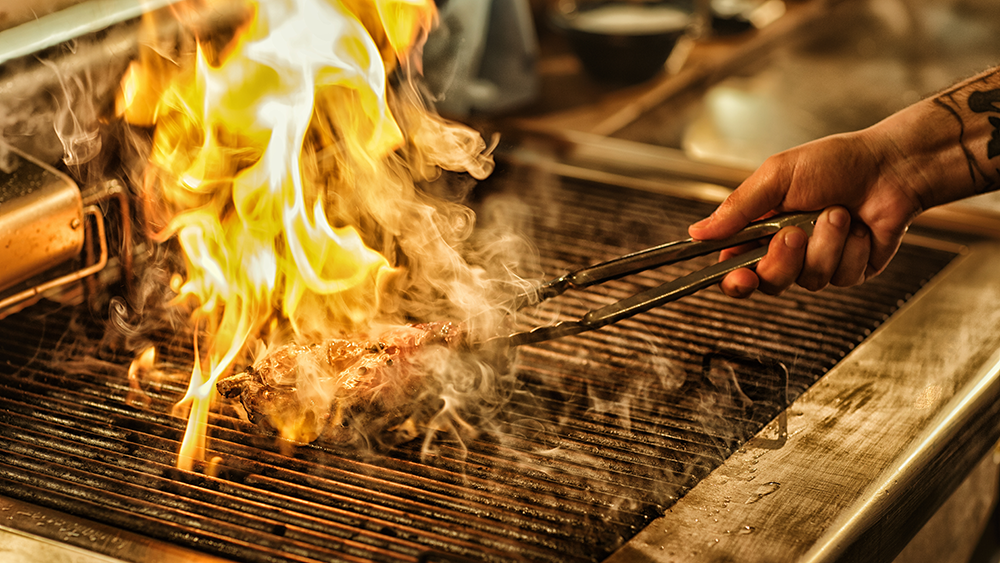
Once structural stabilization is complete, deep cleaning becomes the top priority. Fire residues can contain harmful compounds that must be eliminated using industry approved methods. Every surface that may come into contact with food, utensils, or employees requires meticulous attention. This includes prep tables, sinks, shelving, walk in coolers, stoves, ventilation hoods, and food storage areas.
A professional restoration company plays a vital role here because they have access to specialized cleaning agents and tools that effectively remove soot, grease, and contaminants without damaging sensitive equipment. They also understand the standards set by health departments and can prepare the facility to meet those expectations. Appliances may need to be disassembled and cleaned internally, and ventilation systems often require full duct cleaning to eliminate smoke particles.
Once the space is sanitized, restorers test the environment to verify that air quality, moisture levels, and surface cleanliness meet accepted safety benchmarks. These results help reassure both owners and inspectors that the facility is ready for the next stage.
Navigating Health Department Requirements
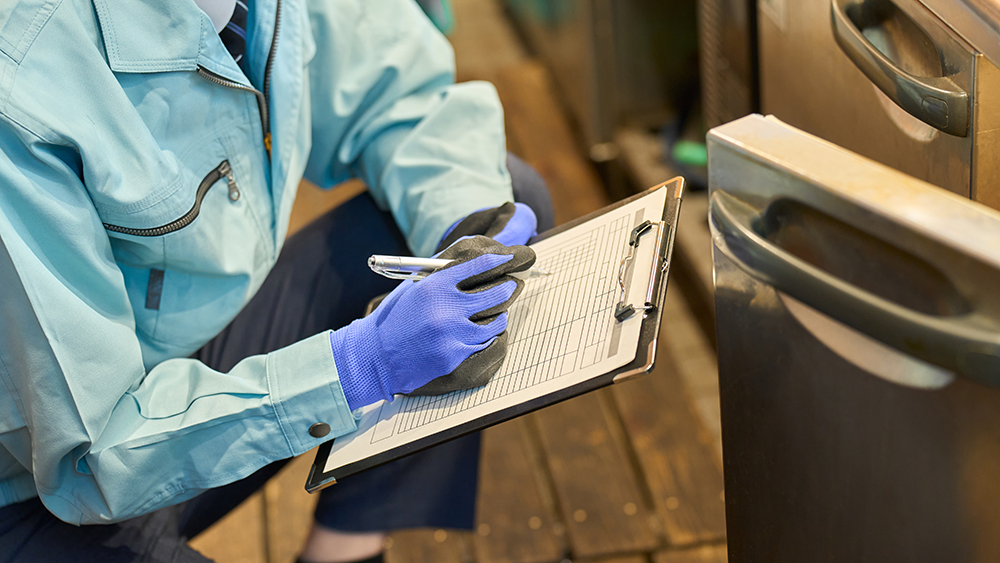
Health departments take fire recovery seriously due to the unique risks associated with foodborne illness and contamination. Before an establishment can reopen, inspectors check for structural integrity, sanitation, equipment functionality, and overall readiness to store, prepare, and serve food safely.
Common areas of evaluation include air quality within food prep zones, condition of food contact surfaces, proper functioning of refrigeration units, safety of hot holding equipment, and compliance with handwashing and sanitation station requirements. If water supply lines or plumbing fixtures were impacted by the fire or suppression effort, inspectors may require proof of water potability and proper drainage. Waste disposal systems must also be operational and sanitary.
Health inspectors often request documentation from the restoration team that outlines the cleaning and repair processes. Having organized reports, photos, and receipts helps streamline the approval process and demonstrates a clear commitment to safety.
Fire Marshal and Building Department Reviews
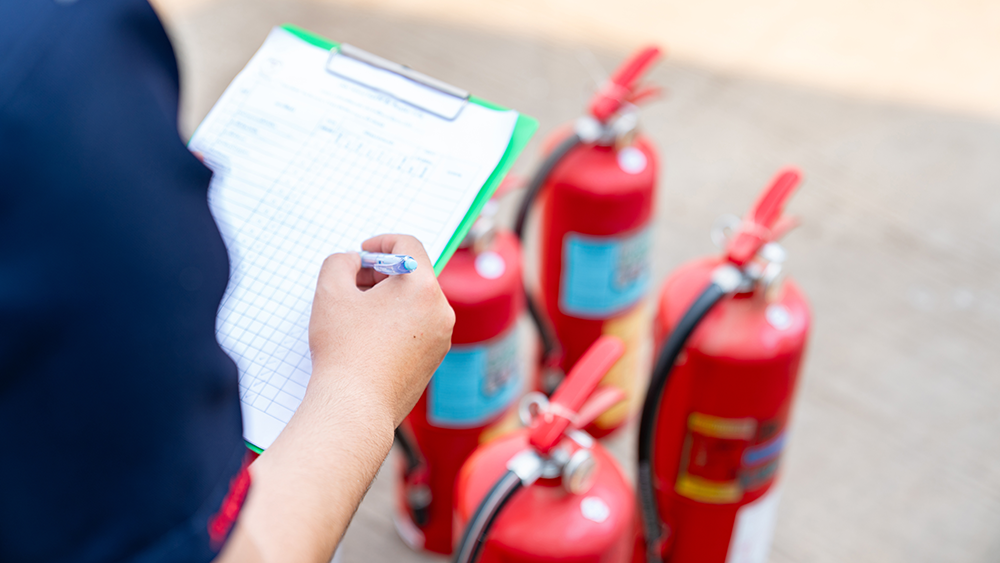
Beyond health inspections, food service businesses must pass evaluations from fire and building officials before reopening. These reviews confirm that the restored facility meets updated code requirements and that all safety systems function correctly. Fire marshals inspect smoke detectors, fire suppression hoods, sprinkler systems, emergency exits, fire extinguishers, and alarm panels. If new equipment or materials were added during restoration, inspectors verify that they comply with local fire codes.
Building department officials focus on structural soundness, electrical repairs, HVAC system functionality, and safe occupancy conditions. If the fire caused significant damage, inspectors may also verify that permits were properly issued for reconstruction work. Successful completion of these reviews ensures the facility is safe for employees, customers, and ongoing operations.
Implementing Preventive Strategies for Long Term Safety

Once all inspections are complete and approvals are granted, owners have an opportunity to strengthen their long-term safety strategy. Fires often reveal weaknesses in layouts, maintenance routines, or equipment conditions. Investing in improved ventilation cleaning schedules, electrical system upgrades, or enhanced staff training can reduce future risks.
Many businesses also choose to revisit their emergency plans. Clear staff procedures, periodic fire safety training, and updated evacuation protocols help create a safer environment. Working with industry professionals to identify potential hazards supports both compliance and peace of mind.
Conclusion
Moving from fire damage to food-safe conditions requires a well-organized approach and a clear understanding of inspection standards. By addressing structural repairs, deep cleaning, health and safety requirements, and preventive strategies, restaurants can reopen with confidence. Careful planning and strong collaboration with restoration and regulatory professionals help ensure that the facility returns to full operation safely and efficiently.








Learn how to create outdoor dining spaces that draw more guests with tips on timing, layout, weather-proofing, ambiance, and marketing.