

By Julia Nikolaus, Contributor
Most restaurant days start with a structured plan. However, experienced managers expect surprises to occur. Whether it’s an employee calling out or a late delivery, orders accumulate quickly.
Eventually, mishaps wear teams down and pull focus away from guests. For food businesses, productivity frameworks offer relief where improvisation fails. Better order flow, labor planning, and coordination with vendors create stability during busy shifts.
To help you maintain consistency, here are five behind-the-scenes systems restaurant managers and operators rely on. Each helps restaurants stay organized and responsive when pressure rises.
1. Point-of-Sale and Order Management Systems

Steady order flow prevents service from drifting into chaos. Whether customers visit the front counter, tables, or a delivery app, every transaction should feed into the same pipeline.
Toast, Square, and Lightspeed are modern POS systems that handle payments, menu logic, and order flow in one place. Each eliminates multiple entries and reduces mistakes during rush periods.
As a result, kitchen teams receive clean tickets without guesswork, while managers track sales movement in real time. Payment handling also moves faster with contactless options and instant totals that simplify end-of-day reviews.
Printed receipts still play a role here. Therefore, reliable thermal paper rolls are a must for high-volume establishments.
2. Staff Scheduling and Labor Management Tools
Personnel decisions shape how a shift unfolds long before doors open. Too few hands slow service, while too many hours erode margins by the end of the week. Platforms such as 7shifts and HotSchedules replace guesswork with structure.
To support day-to-day control, these tools typically focus on a few core functions:
Sales-based forecasts that align staffing with demand
Mobile access for viewing shifts, swaps, and time-off requests
Automated wage, tip, and hour calculations
Real-time data enables staff to build schedules based on past sales patterns and expected volume. Now, managers can formulate a clear labor plan instead of constant mid-shift fixes. With modern restaurant management software, last-minute adjustments become less necessary.
3. Vendor Coordination and Reordering Systems
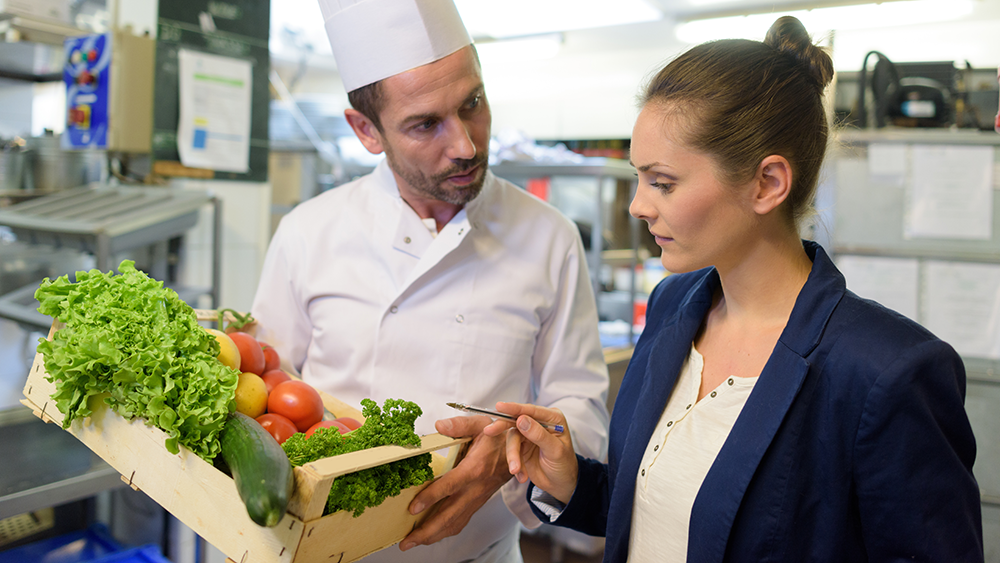
Supply gaps often reveal missed details rather than unexpected demand. One late delivery or an empty shelf can stall prep and force rushed decisions during service. Platforms such as MarketMan and Restaurant365 give operators a clear view of stock levels across locations and suppliers.
Par-based alerts flag low quantities early, allowing orders to go out before shortages affect menus. At the same time, recipe costing tools tie ingredient use to menu pricing, which helps managers spot margin drift without manual math.
With FIFO tracking, staff keep older items in circulation while flagging products approaching expiration. As a result, purchasing becomes more deliberate, waste drops, and supplier conversations shift from emergencies to planning built around real usage patterns.
4. Kitchen Display and Order Flow Systems
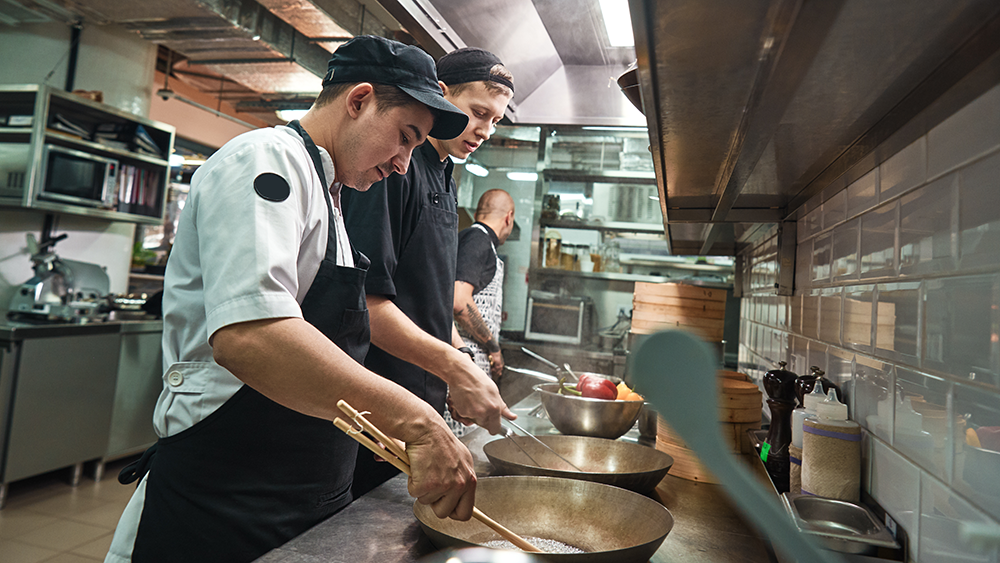
Predictable service depends on clarity behind the line. Digital screens now replace paper slips. Cooks appreciate instant visibility across stations without shouted updates. Color cues sort tickets by urgency and route tasks to the right prep area.
The following core mechanics keep prep aligned and timing predictable:
Real-time sync that sends orders from the counter, table, and delivery channels at once
Capacity controls that pace ticket release based on staff load
Performance metrics that expose slow points across stations
With modern systems, staff rarely miss notes during peak volume. Speed alone seldom fixes bottlenecks. However, structure matters once tickets stack up.
Cloud-based POS software closes the loop, so edits or cancellations reach the back without delay. When managers can easily analyze ticket flow, steady output occurs even under pressure.
5. Reservation, Guest Experience, and Analytics Platforms

Oftentimes, guest flow impacts how full a dining room feels. Large numbers of empty tables can be an issue. Missed reservations, uneven pacing, or empty seats during peak hours quietly limit revenue.
Platforms such as OpenTable and SevenRooms help teams control floor plans. Waitlists and tables turn with more precision. However, value goes beyond seating charts. Guest profiles capture visit history, preferences, and notes that guide service decisions without guesswork.
Predictive data then highlights patterns tied to demand and no-show behavior, which supports smarter staffing and ordering choices. With a dependable restaurant reservation system, managers have visibility into who plans to arrive and when.
That insight reduces empty tables, improves timing across the shift, and helps staff deliver a more consistent experience that guests notice and return for.
Final Thoughts
Thoughtful use of select tools brings consistency to staffing, ordering, service pace, and guest flow without adding friction. Over time, teams spend less energy fixing problems and more time delivering reliable hospitality.
Each operation carries different needs, so progress starts with an honest evaluation rather than a wholesale change. Small adjustments compound fast. Test assumptions, refine workflows, and measure results as conditions shift.
Start with one system that causes frequent disruption and refine it before expanding changes across the rest of the operation. Then, reassess how information, orders, and labor move through your restaurant each day.





Discover five proven restaurant systems, from POS to scheduling and inventory, that streamline order flow, staffing, and guest experience for smoother service.