

By Destiny Clarkson, Contributor
In a restaurant landscape filled with constant competition and rising customer expectations, the traditional methods of driving profitability are no longer enough. Modern diners look beyond menu selections and price points. They want settings that feel memorable and immersive.
As a result, restaurants are shifting their focus toward creating environments that encourage guests to linger, share, and return. Experience has become a defining driver of value, customer loyalty, and long-term success for restaurants of every size.
The Shift to an Experience Driven Marketplace
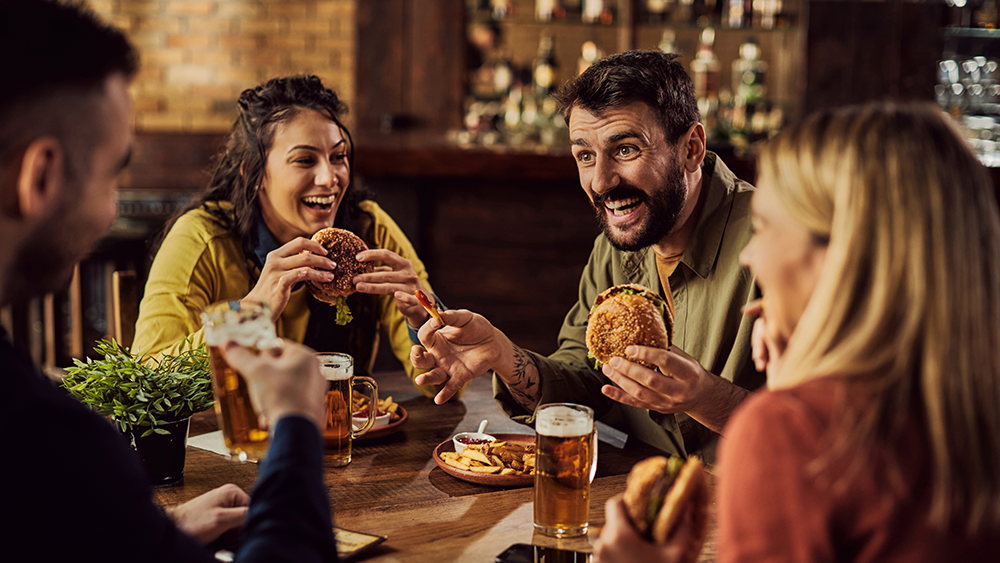
Dining out has evolved into a form of personal expression. Today’s guests want their meals to feel meaningful and tailored. They gravitate toward environments that reflect a sense of place, culture, or discovery. This shift has transformed the restaurant visit into a holistic event that blends ambiance, service, storytelling, and sensory engagement.
Restaurants that understand this shift are positioning themselves as destinations rather than simple food providers. This approach taps into the emotional side of decision making and builds stronger guest connections.
Why Experience Impacts Financial Performance
A stronger guest experience often correlates with increased revenue. Customers who feel emotionally connected to a restaurant tend to spend more during each visit and return more frequently.
Positive experiences also influence word of mouth, social sharing, and online reviews, all of which hold significant weight in customer acquisition. Many operators report that investments in lighting, interior design, music, staff training, and table side interactions have delivered higher returns than traditional advertising. These upgrades enhance perceived value and can justify premium pricing while building long term loyalty.
How Technology Supports Experiential Dining

Technology plays an essential role in building memorable dining experiences. Interactive menus, tableside devices, immersive projection systems, and intelligent reservation platforms allow restaurants to personalize each touchpoint. Guests may appreciate curated playlists, lighting that shifts to match the time of day, or a digital kitchen view that adds transparency to the process.
These features create a sense of involvement and elevate the meal into something distinct. Restaurants can also partner with an experiential marketing agency to integrate activations such as pop up restaurants, themed events, or limited-time installations that heighten excitement and encourage return visits.
Human Touch is a Competitive Advantage
Even as technology grows in importance, service quality remains the foundation of exceptional guest experiences. Friendly and attentive staff can transform a simple visit into a lasting memory. Restaurants that invest in training encourage teams to anticipate needs, personalize greetings, and create genuine moments of connection.
The human element introduces warmth, trust, and personality. These qualities set the tone for the entire meal and reinforce why experience has become such a powerful differentiator in a crowded market.
Creating Consistent and Authentic Experiences

A great experience must feel authentic and repeatable. Diners should sense that every detail aligns with the restaurant’s brand and values. Lighting, decor, menu design, and staff interactions work best when they follow a cohesive vision. Consistency helps build expectations.
When guests know they can rely on a restaurant for comfort, excitement, or celebration, they are more likely to make it part of their routine. Restaurants that refine each element with care often see stronger loyalty and more predictable revenue over time.
Conclusion
Experience has become a decisive force in restaurant profitability and brand strength. Operators that focus on crafting memorable interactions, combining technology with human warmth, and delivering consistent moments of delight are well positioned for sustained success. Diners want more than a meal. They want stories, connection, and environments that feel distinctive. Restaurants that embrace this shift will capture the new return on investment measured not only in financial gains but in lasting guest relationships.





Learn how to create outdoor dining spaces that draw more guests with tips on timing, layout, weather-proofing, ambiance, and marketing.