

By Emma Davis, Contributor
Downsizing your restaurant space can feel exciting and stressful at the same time. Rent drops, layouts change, and storage gets tight fast. One issue shows up quickly: excess inventory when downsizing a restaurant space, and it can lock up cash if you ignore it.
The good news is you have options. Extra stock does not need to become waste or rushed discounts. With a clear plan, you can free space, protect cash flow, and treat this shift as a smart reset.
Start With a Clear Inventory Snapshot

Before making any reductions, establish an accurate view of what you own and outline a clear process using a moving checklist and timeline early in the planning stage. When downsizing a restaurant space, excess inventory often sits unnoticed in freezers, back shelves, and storage rooms.
Document every item through a physical count rather than estimates, since accurate numbers support control and reduce avoidable mistakes, making the relocation more organized without adding unnecessary steps.
Next, group items by type and turnover rate while checking expiration dates and condition. Compare your findings with sales reports to identify slow-moving products. Industry data links weak inventory tracking to up to 10% food waste, which directly affects margins.
Handle this step in one focused session. Pause ordering for a day if needed to keep data clean. A precise inventory snapshot helps you decide what to sell, use, or move first and keeps the rest of the transition on schedule.
Adjust Your Menu Before You Cut Stock
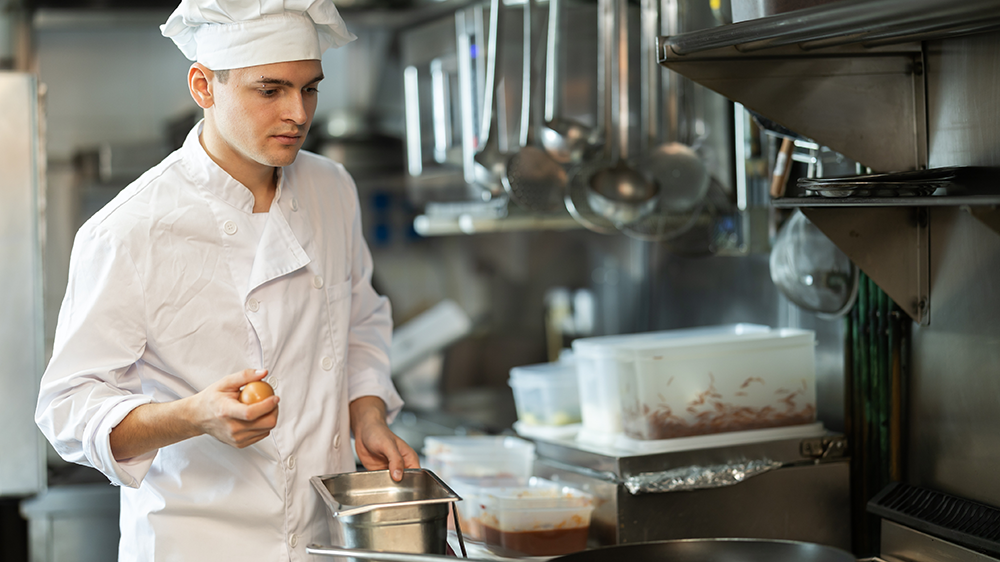
Many restaurants make the mistake of cutting stock without checking the menu first. Old recipes and ingredients take up space and cause waste. Adjust your menu before touching inventory to clear room and save cash. Focus on using what you already have.
A few quick wins:
Feature weekly specials to move extra produce or proteins
Rework sauces or sides to reuse slow-moving ingredients
Temporarily pause low-selling dishes until space allows
Cross-utilize ingredients in multiple meals to reduce waste
A smaller menu doesn’t mean boring food. It gives your team breathing room and keeps costs under control.
Sell or Transfer Items to Other Operators

Not everything in your stock needs to stay at your restaurant. Selling or transferring items can free space and recover cash. Excess inventory often includes unopened dry goods, beverages, or packaged items that other operators can use. Some ways to make it work:
Sell unopened goods to nearby restaurants or cafes
Trade ingredients with operators who use different menus
Post items on local restaurant owner groups or supplier boards
Follow resale rules for alcohol and other regulated items
New tools now let restaurants upload and sell unused items directly to other hospitality businesses, helping you move dead stock fast. This approach moves stock quickly, builds connections, and keeps cash in your business instead of sitting on shelves.
Work With Suppliers Instead of Against Them
When you downsize, suppliers don’t have to be your enemy. They often want to keep your business and can offer flexibility. Excess inventory when downsizing a restaurant space doesn’t always mean a loss.
Ask about return windows for unopened goods or partial shipments. Some suppliers offer buy-back programs for items in original packaging. Even adjusting standing orders to match a smaller kitchen can prevent overstock before it piles up.
Don’t forget to review contract terms. Knowing what’s allowed makes negotiations smoother. Some operators get store credit or partial refunds, which can be applied to future orders.
You Can Donate Excess Inventory When Downsizing a Restaurant Space
If some stock can’t be sold or transferred, donating is a smart option. Excess inventory can still help your community. Shelters, food banks, and local charities often accept unopened or safe-to-use food, and it keeps items from going to waste.
Track donations for tax purposes and follow local food safety rules. Even small contributions make a difference. Many restaurants report reduced waste and small tax benefits when donating, making it a win for both the business and the neighborhood.
Liquidate Equipment You No Longer Need
Unused equipment takes up space and ties up cash you could use elsewhere. Downsizing is the perfect time to move items you no longer need. Here are some ways to liquidate gear efficiently:
Sell larger items like refrigerators, ovens, or prep tables through resale dealers
List smaller tools and appliances on restaurant-focused marketplaces or online classifieds
Bundle similar items together for faster sales
Highlight the condition and age of the equipment to attract buyers
Consider auctions or local restaurant supply events for quick turnover
Clearing out old equipment frees space, recovers money, and makes your new layout easier to manage. It also helps your team focus on the tools that truly matter in the smaller kitchen.
Reorganize Storage for the New Space
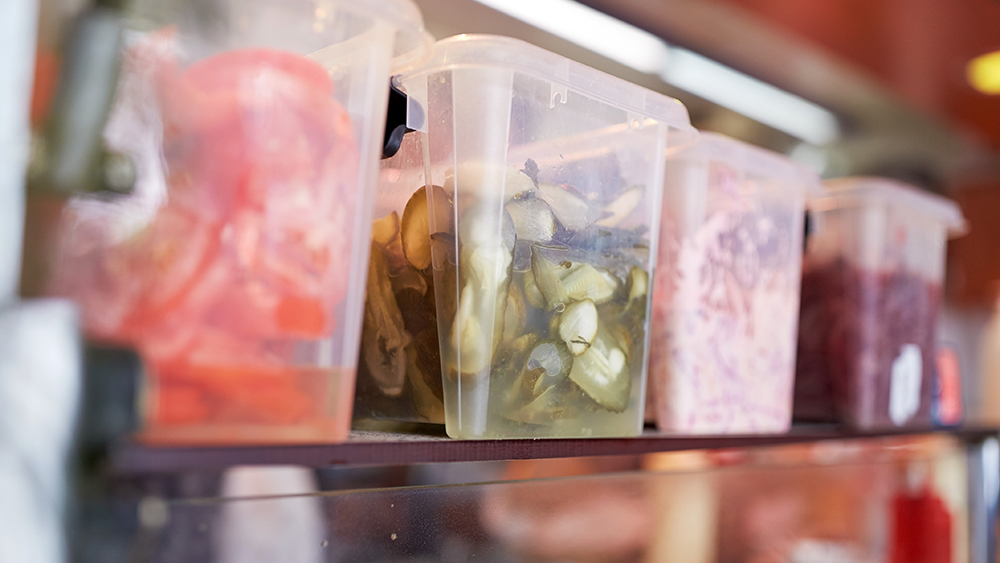
Excess items can pile up quickly if you don’t plan. Start by grouping items by type and how often you use them. Keep everyday ingredients within easy reach and store less-used stock higher or farther back.
Think about vertical storage and visibility. Adjustable shelving, clear containers, and proper labels make it easier for your team to see what’s available. That reduces wasted steps, prevents items from being forgotten, and speeds up prep time.
Set zones for different categories and adjust as needed. Rotate stock so older items get used first and keep high-turnover items near prep areas for quick access.
Build a Lean Inventory Plan Going Forward

Keeping a lean inventory helps your smaller space stay organized and your cash flow healthy. Excess inventory when downsizing a restaurant space is only a problem if it keeps piling up. Here’s how to plan smarter moving forward:
Set weekly inventory checks to catch slow-moving items early
Track waste in dollars, not just units, to see the real cost
Match orders to actual sales trends, not old habits
Keep par levels tight for each category to avoid overstock
Adjust deliveries to smaller, more frequent shipments
A lean inventory plan keeps your kitchen uncluttered, reduces waste, and makes it easier to run a tight, efficient operation.
Turning Extra Stock into a Fresh Start
Downsizing can feel like a setback, but it’s actually a chance to start fresh. Excess inventory when downsizing a restaurant space doesn’t have to be a headache — it can be an opportunity. Think of it as a reset button for your kitchen and your menu. Clearing out old stock gives you room to streamline operations, test new dishes, or focus on high-performing items.
Use this moment to get creative. Turn surplus ingredients into specials, gift packages, or pop-up events that bring in new customers. Even small changes can make a big difference in cash flow and morale. With a clear plan, extra stock becomes a tool, not a burden, helping your restaurant thrive in its new, smaller space.
About the Author
Emma Davis is a restaurant consultant with over a decade of experience in operations and inventory management. She holds a degree in Hospitality Management and helps restaurants streamline processes, optimize space, and improve efficiency while reducing waste.








Learn how to create outdoor dining spaces that draw more guests with tips on timing, layout, weather-proofing, ambiance, and marketing.