
By Ellie Gabel, Contributor
Mobile kitchens and food trucks are more popular than ever, but with that flexibility comes added responsibility. The farther your food travels, the more opportunities there are for temperature fluctuations or missed safety steps. You need to treat mobile service as a fully controlled extension of your kitchen.
Whether serving from a trailer or truck, food safety protocols must adapt to unpredictable environments and limited access to running water or storage. Without the right preparation, what starts as a profitable event can quickly turn into a compliance failure or reputational setback.
Create a Mobile-Focused Food Safety SOP
Start with your in-house Hazard Analysis and Critical Control Points (HACCP) plan, then tailor it for the realities of transit and off-site service. Foodborne illness remains a serious concern, with the U.S. government estimating about 48 million cases annually. Your mobile procedures must leave no room for error. Define clear steps for loading and unloading, including how and when temperatures are checked before, during, and after transport.
Every staff member needs a defined safety role when working with rotating crews or temporary help. Over 35% of restaurant owners say training new food handlers is a top operational challenge, so documented standard operating procedures help bridge gaps fast. These plans also speed up permitting and make inspections go more smoothly, which shows that you’ve already done the work to run a safe mobile operation.
Use Real-Time Temperature Logging
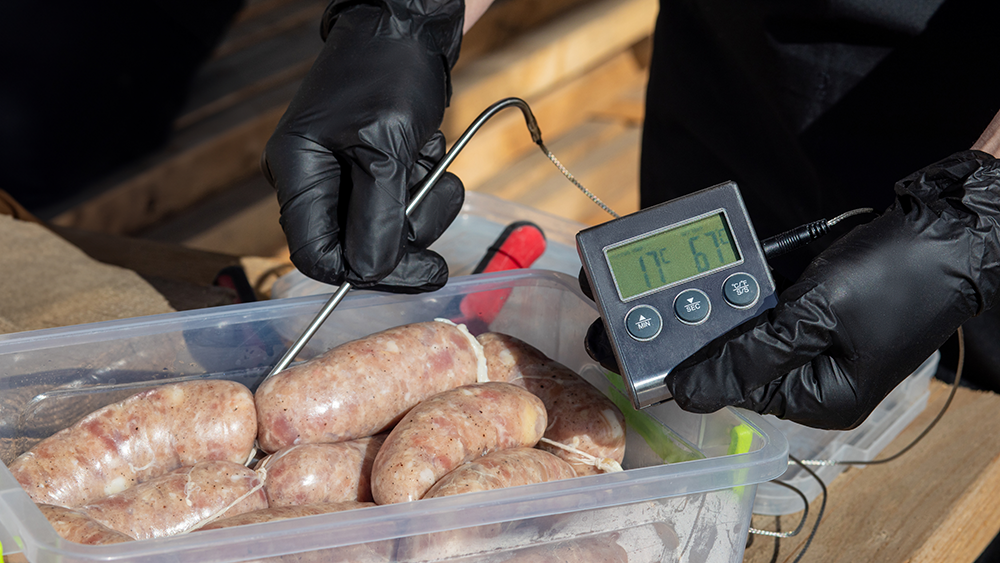
Keep detailed, time-stamped temperature logs every step of the way, especially during long trips or outdoor events where conditions change fast. Don’t rely on guesswork. Combine digital probe thermometers with automated loggers to catch issues early and back up your records.
If you’re using refrigerated trailers, opt for models with dual temperature zones that can transport chilled and frozen items in one load without compromising safety. If food falls outside the safe range, your team should know what to do immediately. Clear escalation steps keep small issues from becoming violations or customer complaints.
Maintain Cold and Hot Holding Standards Off-Site
Keep your cold chain tight from prep to service by using prechilled insulated carriers and hot boxes that hold food safely within target zones. Cooling items rapidly before transport slows microbial growth and enzymatic activity, which preserves freshness and nutritional content. However, even with the right equipment, staging times and ambient heat during loading can quickly push food into the danger zone.
In these situations, time-temperature indicators or Bluetooth-enabled monitors come in handy, offering real-time alerts on critical items like dairy and proteins. During transit and at your service site, always separate raw items from ready-to-eat products to prevent cross-contamination. Use labeled pans and physical dividers in your storage setup, which are among the simplest ways to protect food.
Set up a Sanitation System That Travels
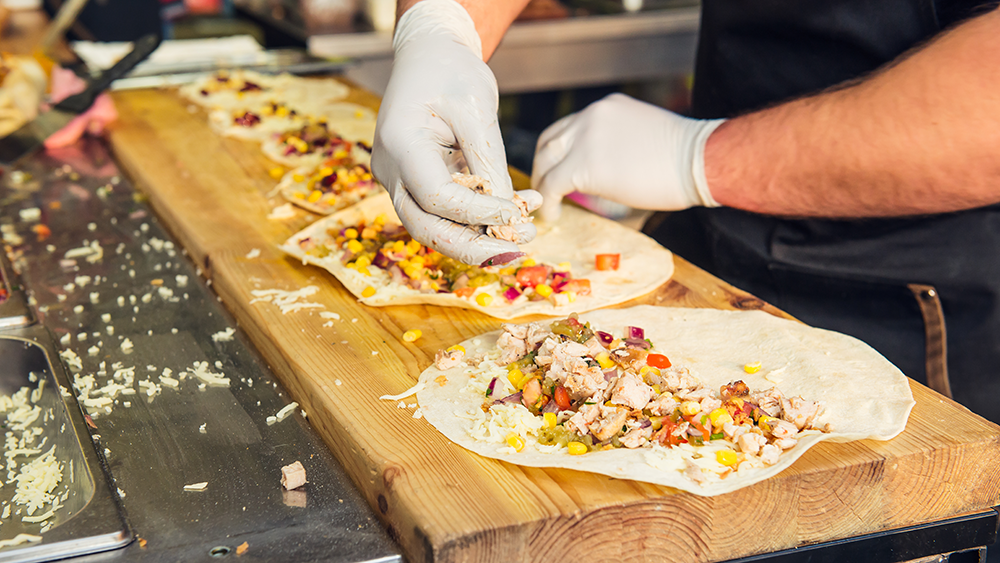
To set up a compliant mobile handwashing station, you’ll need a hands-free spout container that dispenses clean, pressurized water, a soap dispenser, paper towels, and a basin to catch gray water. Skipping this step puts your entire setup at risk. One study found that 48% of participants contaminated spice containers due to poor handwashing habits.
Always bring a sanitation kit stocked with disposable wipes and labeled sanitizer buckets for surface and utensil cleaning. Between menu switches or after working with raw proteins, sanitize all prep areas thoroughly to avoid cross-contamination. Remember to have sealed bins for solid trash and a designated plan for properly disposing of gray water at approved facilities.
Safety Is a Competitive Advantage
Strong food safety protocols protect public health, your bottom line and your brand. Every time you roll out, the goal is to deliver the same precision and quality as your full kitchen. With the right systems, your mobile operation can be just as consistent and trusted.



Learn how to create outdoor dining spaces that draw more guests with tips on timing, layout, weather-proofing, ambiance, and marketing.