

By Elena Markovich, Contributor
In the hospitality industry, expectations are rising faster than ever, yet budgets rarely keep pace. Guests want warmth, clarity, comfort, personalization, and a sense that every detail has been considered — even in the most modest spaces.
Fortunately, creating memorable visits does not require major renovations or premium-priced redesign projects. What it does require is intention: understanding what people truly value and elevating those touchpoints with creativity and precision.
This article explores practical, affordable ways to implement guest experience upgrades that deliver meaningful impact without straining resources.
Rethink First Impressions
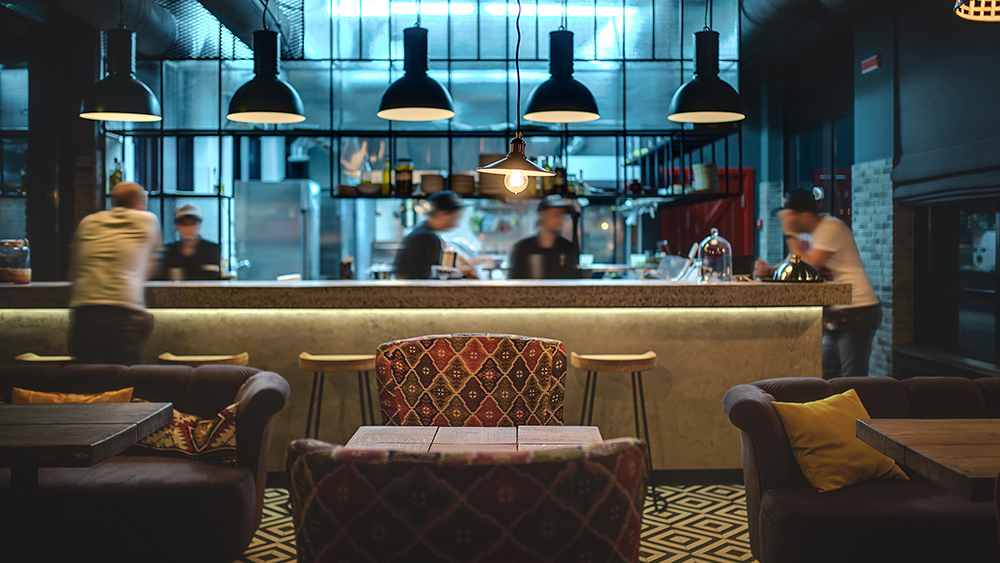
Your entrance, lobby, storefront, or waiting area silently begins the conversation long before a staff member greets anyone. Even the smallest adjustments in these zones can reshape the emotional tone of a guest’s visit. Soft scent diffusers, warm lighting, clear signage, and intentionally arranged seating help guests ease into a calmer, more receptive mindset.
A practical starting point is removing friction caused by visual clutter. Overflowing storage, misplaced equipment, and unnecessary supplies signal disorganization and undermine the atmosphere you are trying to create.
Many businesses accidentally reinforce this problem by overlooking mistakes to avoid when using business storage units, such as keeping bulk or seasonal items too close to guest-facing spaces. When you instead manage your unit like a pro and keep back-of-house items fully contained and strategically stored, the front-of-house immediately feels more polished and purposeful.
Thoughtful first impressions remain among the simplest guest experience upgrades to implement, yet they continue to exert a powerful influence on guest satisfaction and overall perceived quality.
Elevate Restaurant Ambience Without Renovations
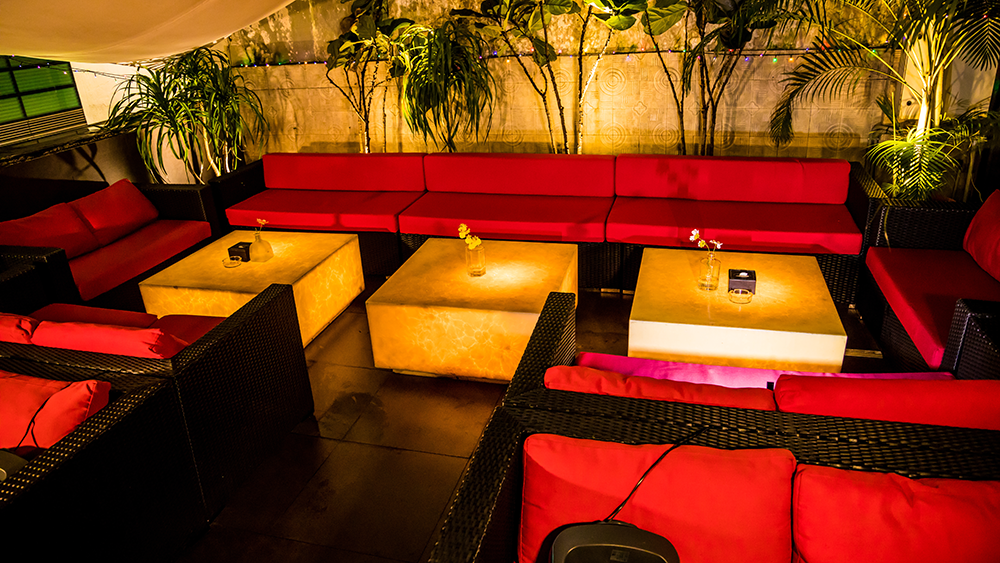
Atmosphere is one of the most underestimated forces in guest perception. People decide whether they “feel good” in a space within seconds, and most of that decision comes from sensory cues, not conscious thought. Fortunately, ambience can be improved dramatically with low-cost interventions.
Layered lighting — table lamps, wall lights, soft overhead bulbs — creates depth and intimacy without touching the architecture. Natural elements such as branches, plants, stones, or textured fabrics instantly increase visual warmth and calmness. Sound also matters; replacing harsh, looping playlists with curated ambient soundscapes can transform how time passes for guests.
A simple, cost-effective tool for transforming the atmosphere is wall storytelling. Many dining spaces, cafés, and boutique reception areas struggle with blank surfaces that feel sterile or unfinished. Curating art by local creators, seasonal photography, or even a rotating inspiration wall can make blank restaurant walls feel inviting and meaningful. Story-driven décor signals care and personality.
These shifts do not demand construction budgets; they demand creativity, intention, and a willingness to reimagine what guests see and feel. When done well, these ambience-focused guest experience upgrades significantly enhance emotional connection and comfort.
Micro-Service Enhancements that Feel Premium

Some of the most memorable touches in a guest’s experience come not from décor but from micro-services — small gestures that feel thoughtful, personal, and unexpected. Consider welcome notes, curated scent cards, or small comfort amenities that people can choose for themselves. These elements create the perception of a premium offering without the financial burden of luxury service layers.
Even more powerful is staff interaction. A warm tone, a moment of active listening, or a small act of personalization often outperforms any decorative enhancement. Training your team in micro-behaviors — clarity, kindness, consistency — creates a human signature that guests remember.
But micro-services should be evaluated, not guessed. Businesses that adopt simple measurement systems can continually refine their approach. Encouraging staff to gather quick feedback or analyze repeat visit patterns allows you to track your success in real time.
These qualitative and quantitative signals will show which guest experience upgrades resonate most strongly and which should evolve with time, seasons, or clientele.
Operational Efficiencies That Guests Notice

Even though guests may never see your internal operations, they certainly feel them. Long wait times, inconsistent temperature control, confusing processes, and noise disruptions all erode satisfaction — even if the space looks beautiful. Improving operational flow is one of the most cost-effective strategies for enhancing experience.
The following small, economical adjustments can create a meaningful improvement in perceived quality:
Streamlined check-in or ordering systems using QR codes or simple digital forms.
A standardized cleaning cadence that maintains freshness throughout the day.
Clear visual indicators of service progression to reduce uncertainty.
These refinements reduce cognitive load for the guest and help staff maintain a calm, confident rhythm. By integrating operational improvements with visible hospitality, businesses can create seamless moments that feel deliberate and high-value.
In this context, the most successful guest experience upgrades are often invisible, yet they shape how a space “feels” on a deeper level — organized, cared for, and reliable.
These Guest Experience Upgrades Will Make a Big Difference
Exceptional guest experiences are not built through expensive guest experience upgrades but through thoughtful, incremental enhancements. When businesses rethink first impressions, elevate ambience, refine micro-services, and strengthen operational efficiency, they create environments that feel intentional, warm, and distinctly memorable. The beauty of small upgrades is their flexibility: you can test them, adjust them, measure them, and build upon them over time. Every improvement compounds, creating richer emotional value and a stronger connection with your guests. With creativity and intention, even the smallest touch can reshape how people feel in your space — and those feelings are what bring them back.
About the Author:
Elena Markovich is a Guest Experience Strategist and hospitality consultant specializing in low-budget, high-impact customer satisfaction systems. With more than a decade of hands-on experience, she has personally implemented dozens of guest experience upgrades across various service environments.









Learn how to create outdoor dining spaces that draw more guests with tips on timing, layout, weather-proofing, ambiance, and marketing.