

By Destiny Clarkson, Contributor
The rise of urban dining and small-format restaurants has created a new challenge for operators: how to deliver full-service experiences in spaces that are often no larger than a studio apartment.
Compact kitchens are no longer a niche concept; they are becoming a necessity in high-rent districts and fast-paced foodservice environments. Success in these settings depends on more than clever design. It requires a strategic approach to workflow, equipment selection, and space utilization that prioritizes efficiency without compromising quality.
Why Space Optimization Matters
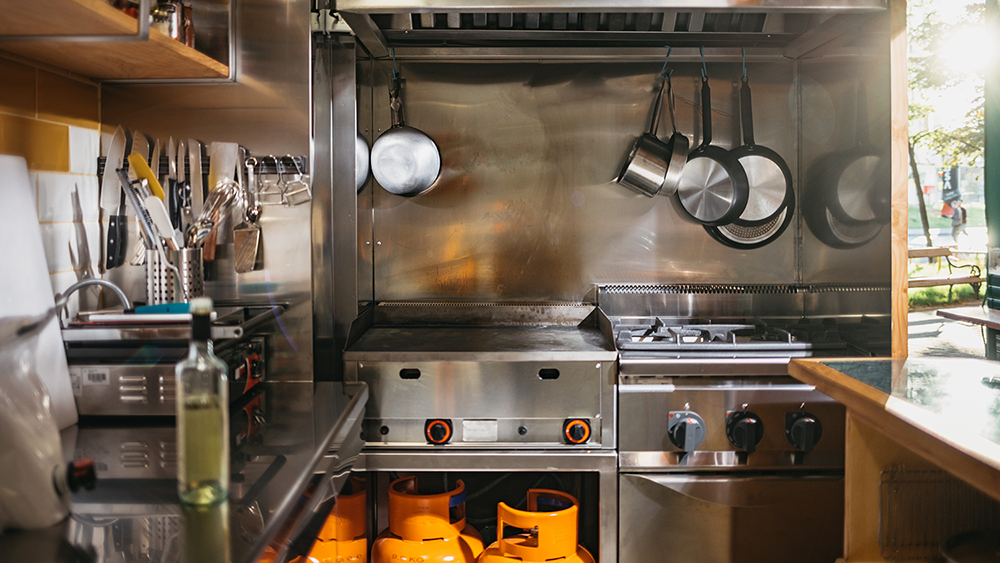
Every square foot in a restaurant kitchen carries a cost. In dense urban areas, real estate prices can consume a significant portion of operating budgets, leaving little room for inefficiency. A poorly organized kitchen not only slows service but also increases labor strain and safety risks. Tight spaces amplify these problems, making it essential to design layouts that minimize unnecessary movement and maximize accessibility.
Space optimization also impacts profitability. A streamlined kitchen reduces prep time, shortens ticket turnaround, and allows staff to work comfortably even during peak hours. These gains translate directly into higher customer satisfaction and repeat business. For operators, the question is not whether to optimize but how to achieve it without sacrificing functionality.
Modular Equipment and Flexible Layouts
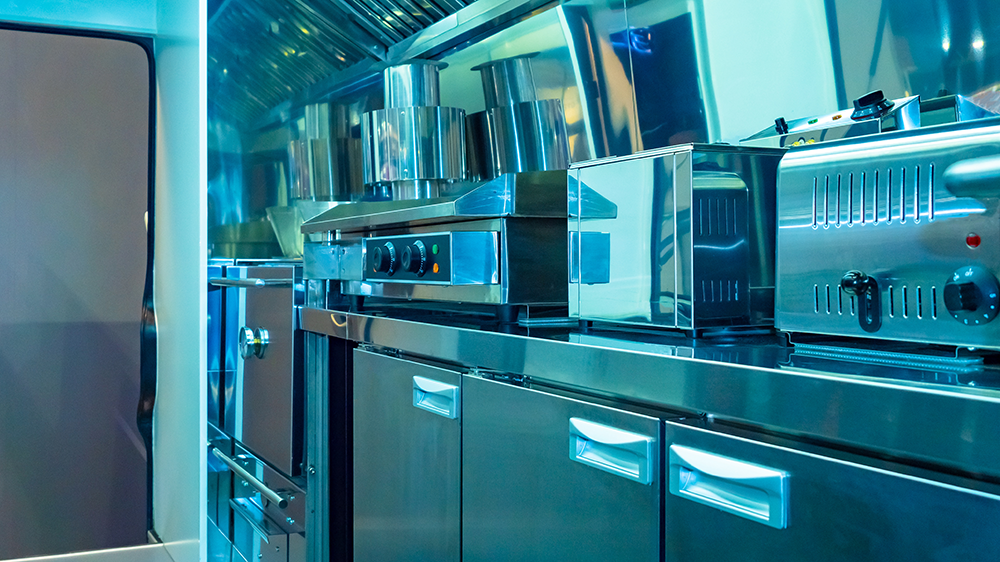
One of the most effective strategies for compact kitchens is the use of modular equipment. Units that can be rearranged or stacked provide flexibility as menus evolve or service demands shift. Multi-functional appliances, such as combi ovens or induction ranges with interchangeable tops, eliminate the need for multiple single-purpose machines. This approach saves space while maintaining versatility.
Flexible layouts also play a critical role. Instead of rigid configurations, designers are embracing zones that can adapt to different workflows. For example, a prep station might double as a plating area during rush periods. Mobile carts and foldable surfaces add further adaptability, allowing staff to reconfigure the space quickly without disrupting operations.
Streamlined Movement Through Intelligent Design
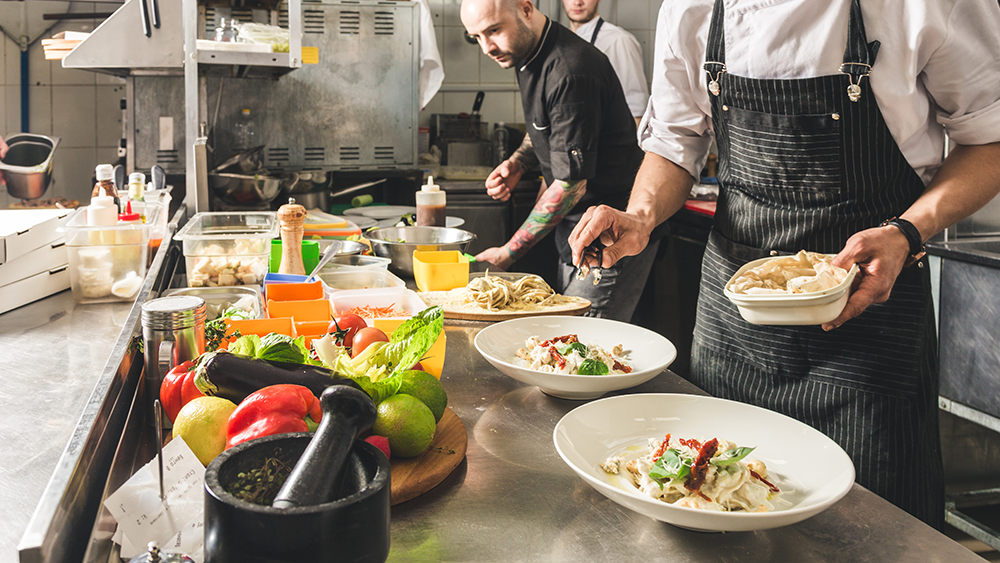
In a compact kitchen, every step counts. Reducing unnecessary movement is key to maintaining speed and safety. Intelligent design principles, such as the “golden triangle” concept, position cooking, prep, and cleaning stations within easy reach of one another. This minimizes cross-traffic and prevents bottlenecks during busy service times.
Storage solutions also influence movement efficiency. Vertical shelving, under-counter refrigeration, and wall-mounted racks keep essential tools and ingredients within arm’s reach. By eliminating clutter and organizing items logically, kitchens can maintain a smooth flow even when space is limited.
Advanced Motion Systems for Curved Spaces

Not all compact kitchens are perfectly rectangular. Many are tucked into irregular footprints or curved architectural features that challenge traditional linear layouts. In these cases, advanced motion systems provide a solution.
Components like the curved rail enable sliding elements to follow non-linear paths, making it possible to install doors, panels, or storage units that move smoothly around corners. This innovation maximizes usable space without sacrificing accessibility, allowing operators to take advantage of every inch in unconventional layouts.
Such systems are particularly valuable in open-kitchen concepts where aesthetics matter as much as functionality. By integrating curved motion technology, designers can create visually appealing spaces that remain practical for staff. The result is a kitchen that feels larger than its actual dimensions, enhancing both efficiency and customer experience.
Technology Integration for Operational Control
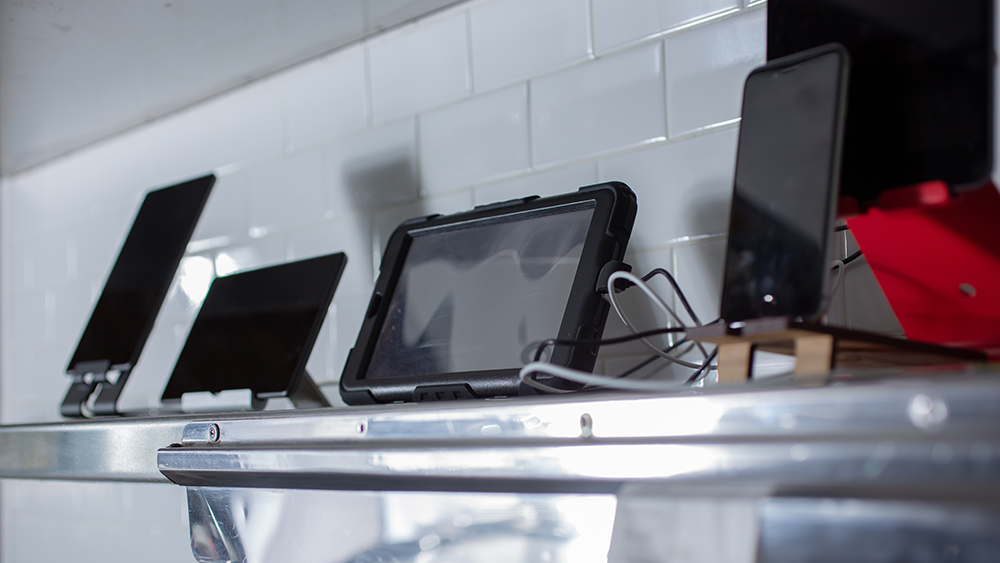
Compact kitchens benefit greatly from digital tools that streamline operations. Inventory management software ensures that stock levels remain accurate, reducing the need for bulky storage. Automated ordering systems prevent over-purchasing and help maintain lean supply chains. These tools not only save space but also reduce waste, which is critical for profitability in small-scale operations.
Energy-efficient appliances and smart sensors add another layer of control. Monitoring power usage, temperature, and equipment health allows operators to maintain optimal performance without manual oversight. In a compact environment, where downtime can disrupt service significantly, predictive maintenance and real-time alerts keep everything running smoothly.
Conclusion
The compact kitchen is more than a design trend; it is a strategic response to the realities of modern foodservice. By combining modular equipment, intelligent layouts, advanced motion systems, and integrated technology, operators can transform limited spaces into high-performing culinary hubs.
Efficiency in these environments is about leveraging innovation to deliver quality and speed in the smallest possible footprint. For restaurants navigating the challenges of urban real estate and evolving consumer expectations, mastering the art of the compact kitchen is a pathway to sustainable success.









Learn how to create outdoor dining spaces that draw more guests with tips on timing, layout, weather-proofing, ambiance, and marketing.