

The restaurant industry is a tough one even in the best of times, but 2025 has shaped up to be extra chaotic. Fueled by American consumers uncertainty of their economic future among rising prices among inflation and tariffs, but a deep desire to go out and enjoy a meal, current industry indicators are sending a mixed message.
In this post, we’ll look at the good and the bad affecting restaurant guests’ decision to dine out or stay in, plus a few ideas of how you can manage these troubled waters.
The Good: Sales (Dollars) Are Up
The restaurant industry is expected to hit $1.5 trillion in 2025, according to the National Restaurant Association. The industry hit $97.4 billion mark back in May, which was up 5.3% year-over-year.
 You will find more infographics at Statista
"Nine out of 10 people enjoy going to restaurants and restaurant operators understand what it takes to keep that experience positive," Michelle Korsmo, president & CEO of the National Restaurant Association, said. "Operators are adapting to meet today’s consumers’ wants and needs with an eye to economic pressures, regulatory changes and rising food and labor costs."
Part of increase is due to higher menu costs, but the Bureau of Labor Statistics reported that the Consumer Price Index for Food Away From Home increased 3.8% year-over-year.
Restaurant sales have been steadily climbing since the recession caused by the COVID-19 pandemic. In 2020, sales were at a measly $30 billion across the industry. And in 2019, sales were just under $70 billion.
Since 2020, restaurant monthly sales have climbed 45%. Meanwhile, prices for dining out rose only 32% and drinking out just 22%.
The Bad: Restaurant Visits & Meal Volume is Down
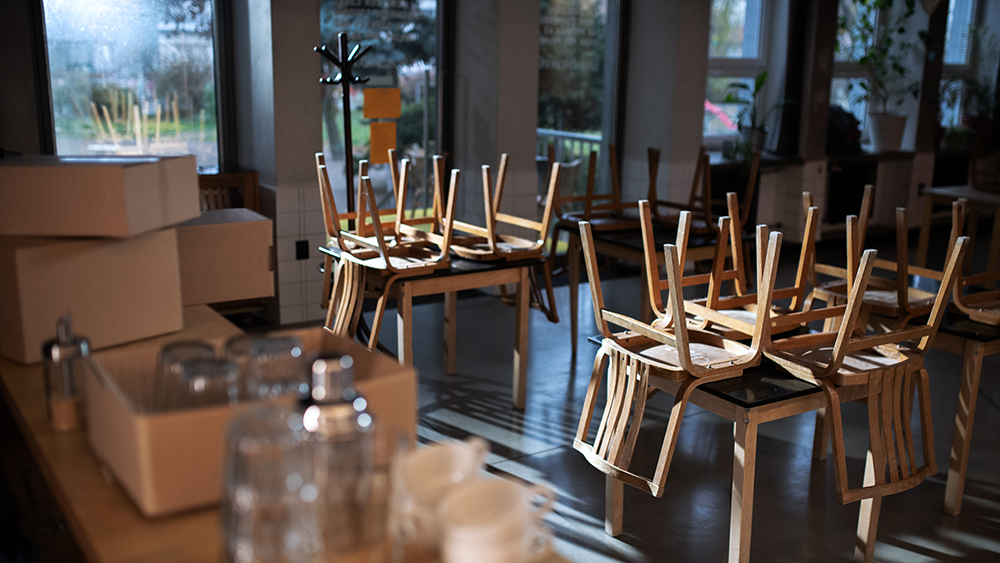
The rub is that Americans are eating out less often. According to data from market research firm Circana, guests ate 1 billion fewer meals at restaurants between January and March 2025 than in 2024. According to market research firm Black Box Intelligence, visits to restaurants dropped 1% year-over-year.
Those are figures operators shouldn’t ignore and it has major restaurant brands on edge.
Denny’s CEO Kelli Valade noted everyone is operating in “a very choppy consumer environment.” McDonald’s CEO Chris Kempczinski says sales to low-income guests have plummeted by double digits between April and June.
“The result of that is you’re seeing people either skip occasions, so they’re skipping… breakfast or they’re trading down either within our menu or they’re trading down to eating at home,” Kempczinksi said. Dine Brands CEO John Peyton also agreed that guests are buying fewer apps and drinks or are “trading down” to cheaper menu items.
A lot of the issues are rooted in increase costs of eating out, a slow job market, and economic uncertainty from Trump’s on-again, off-again trade war with the world.
"Restaurant operators know consumers are very sensitive to costs and have kept menu price increases to 30%, while their food costs have gone up 40% in the last five years," Korsmo said earlier this year in a press release regarding Trump’s tariff plan.
"Applying new tariffs at this scale will create change and disruption that restaurant operators will have to navigate to keep their restaurants open,” she added. “The biggest concerns for restaurant operators — from community restaurants to national brands — are that tariffs will hike food and packaging costs and add uncertainty to managing availability, while pushing prices up for consumers.”
Right now, the cost of eating out rose 0.3% in July while the cost of eating at home was just 0.1%.
What Can Restaurants Do?

The good news is that, at least for now, sales are up. And operators can keep some momentum going in their favor with careful, thoughtful planning.
Build Value into Your Menu. Restaurant operators need to meet guests where they’re at. If money for your guests is tight, then you need to help alleviate that with cheaper items or better value. This could be building value combos, lower prices for smaller portions, larger portions for same cost (or slightly higher), etc. This is how a lot of the big chain restaurants are counterattacking their current struggles.
Keep Track of Your Sales Data. Keep an eye on how you’re performing now compared to a year ago. See how your visits and sales are trending the past 6+ months, and adjust as need be.
For example: if visits are dropping in general or at certain hours, you could alleviate your overhead with fewer server or cook shifts during those periods. This cost cutting can be used to keep your prices relatively flat to help struggling or cautious guests. Just don’t go too far in cost cutting to the point where service suffers.
Give Guests an Experience. Consumers are eating out less, but they’re still eating out. That means restaurants need to find a way to entice guests to visit their location over their competitors. Better value (talked above) is one way to do that. Another is to give visitors a whole experience.
If you’re a sports bar, build your business so your guests feel like they’re living and breathing sports. Everything from having staff use the SportsTV Guide, to internal décor/memorabilia, to digital game displays, big screen TVs, good audio, gameday menu, fan clubs, and more.
If you’re a more family-oriented restaurant, lean into it. Make sure there’s games or entertainment that’ll keep the kiddos entertained while their meals are being prepped. It’ll create for a better dining experience for everyone and parents will appreciate being able to dine out in relative calm.
Source Local. You’re likely already doing this. Local has the benefit of being fresher as well as having lower transport costs and cheaper, especially when tariffs are involved. It’s worth re-checking what you’re getting locally vs. nationally vs. internationally and see what changes (if any) you can make.
Wrapping Up
We might be heading into some tight times, but the restaurant industry is a robust and adaptable industry. With some planning and care, your business can survive and thrive almost anything.




Learn how to create outdoor dining spaces that draw more guests with tips on timing, layout, weather-proofing, ambiance, and marketing.