

By Ellie Gabel, Contributor
Rust can creep into your cooking space unnoticed until it spreads into damaging orange streaks. You might notice it on a shelf, the prep table or a dish rack tucked in a corner. While these signs seem inconsequential in the hustle of a busy kitchen, they often point to something more serious and potentially costly that you could be overlooking.
What is Corrosion and Why Does It Happen?
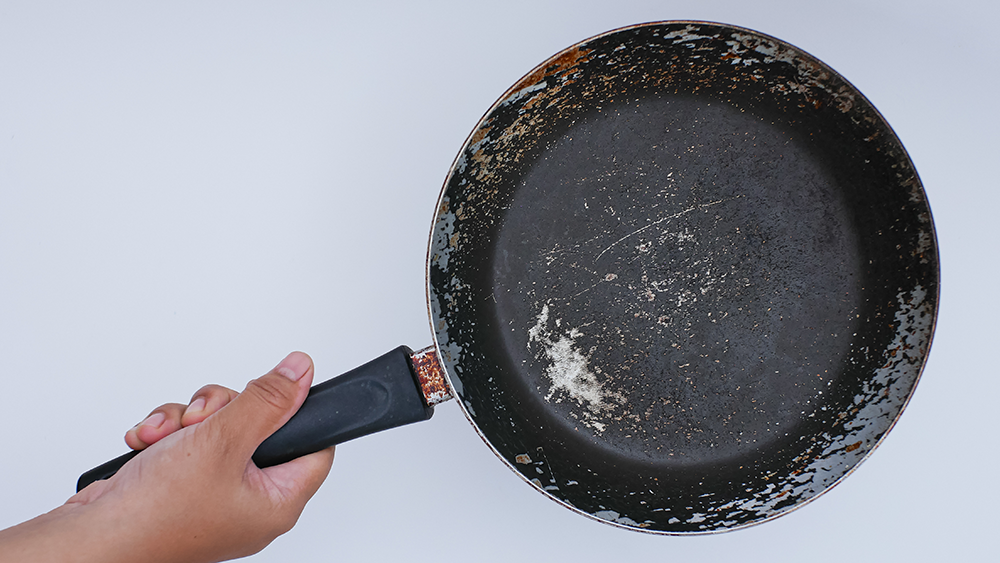
Corrosion is the gradual deterioration of materials caused by chemical reactions with their environment. In humid kitchens, exposure to oxygen and moisture causes iron and iron alloys to oxidize or lose electrons to oxygen or water. This forms a new compound called iron oxide, the orange thing known as rust.
As a result, using, washing or exposing metal equipment to air will naturally develop some degree of deterioration over time. There are different types of corrosion — your kitchen could be suffering from more than one:
Uniform corrosion: This happens when the entire exterior of a stainless steel shelving unit or prep table is consistently in contact with moisture or acidic foods, causing it to thin out evenly over time.
Pitting corrosion: These are localized holes or pits caused by rust eating into the metal. They create uneven surfaces where bacteria and debris can easily accumulate. This often occurs in overlooked spots like the undersides of sinks or areas where water tends to pool and cleaning is inconsistent.
Crevice corrosion: This begins in tight, hard-to-reach spaces where two sections meet and trap water vapor and oxygen. You might spot it in the seams of stainless steel countertops, gaskets in equipment doors or where legs attach to appliance bases.
Stress corrosion cracking: Caused by extreme tensile stress, this form of corrosion leads to cracks that collect moisture and weaken the metal, sometimes leading to structural failure. Check areas like the handles of heavy pots or mounted kitchen fixtures that bear weight and regular heat, steam and cleaning agent exposure.
Galvanic corrosion: This occurs when two different metals come into contact. One may erode faster while the other appears unaffected. For example, if your stainless steel shelves are connected to aluminum brackets or mixed-metal screws and certain parts are rusting faster, galvanic corrosion might be the culprit.
Erosion corrosion: This happens when the protective oxide layer on a metal surface is worn away due to aggressive cleaning. Think of fry baskets or griddles that are routinely scrubbed with abrasive sponges or treated with acidic degreasers.
What Makes Your Restaurant’s Kitchen Susceptible?
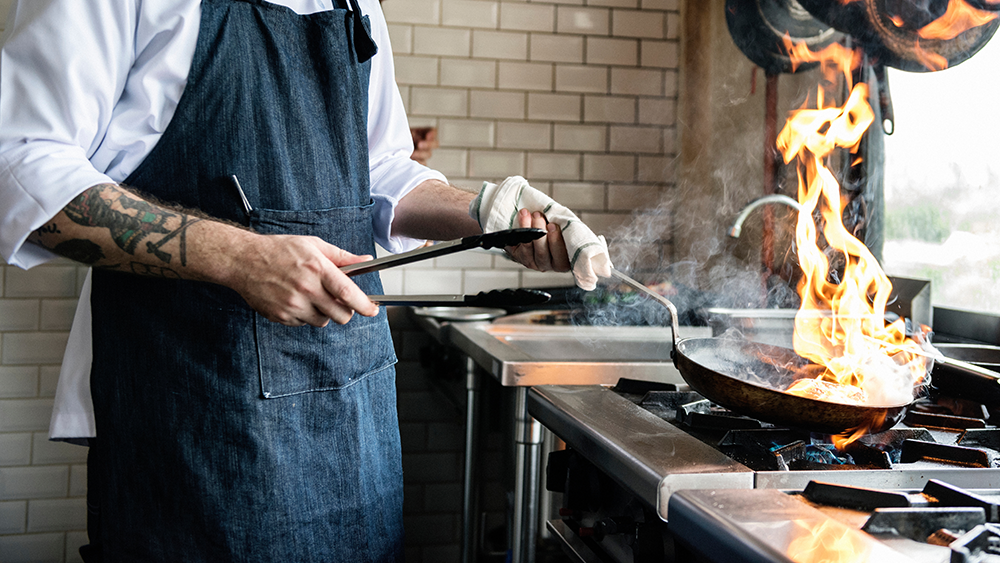
All that sauteing, stock simmering, and dishwashing creates a highly humid environment as kitchen temperatures shift quickly. Moisture clings to the metal exteriors and eats away at them over time. Even the salty pasta water that splashes on your prep surface can be an accomplice, as it acts as an electrolyte solution that speeds up the oxidation process. The chloride in salt water reacts with the metal and forms iron chlorides, a water-soluble compound that melts away metal layers.
The way you work matters, too. Leaving wet utensils on prep tables, stacking damp pans or skipping the exhausting step of drying equipment after cleaning can trap moisture in hidden spots. Even everyday tasks like scrubbing or high-pressure spraying can wear down protective coatings and leave metal exposed.
Even with the best intentions, everyday kitchen routines and shortcuts can make your equipment more vulnerable than you think.
Every metal object in your kitchen is susceptible to deterioration — unless you have platinum, gold, and silver utensils. These noble and rare, if not expensive, materials are resistant to such chemical reactions.
Titanium is also corrosion-resistant as it forms a protective oxide layer. Utensils made from this metal are strong and light, making them ideal kitchen tools. On the other hand, stainless steel is not entirely immune to corrosion. However, it’s highly resistant, especially specific grades like 316 stainless steel.
The first step to resolving rust issues is to know where to find them. Dishwashers, sinks, drainboards, refrigeration units and your whole workstation may suffer silently from rust. Your cooking equipment, fryers, griddles and utensils could harbor rust and compromise your safety compliance.
How to Protect Your Restaurant’s Equipment
Corrosion is natural, but that doesn’t mean it should be ignored. Rust is not food-safe and shouldn’t come into contact with ingredients or prep surfaces. While inevitable, there are preventive measures you can take to slow it down and reduce the risk.
1. Choose the Right Materials and Equipment Design
Start with rustproof materials. Stainless steel — particularly grades like 304 or 316 — is a kitchen favorite for a reason. It's durable, easy to clean and resists most forms of rust. Among the two, 316 is more corrosion-resistant, especially from salt water or chlorides, than 304.
The design of your equipment matters, too. Avoid tight crevices, overlapping joints or hard-to-reach areas where moisture can collect. Seamless welds, rounded corners and open-leg bases can help prevent corrosion traps.
2. Follow Smart Cleaning and Maintenance Practices
Sanitation is rule No. 1 in any commercial kitchen. Many guests are especially sensitive to visible grease and grime — four out of five people say it kills their appetite. Naturally, you wouldn’t want anyone to lose interest in their meal before taking a bite.
That doesn’t mean you should automatically reach for harsh chemicals or abrasive scrubbers. These can speed up the decline and worsen your rust problem in the long run. Instead, use noncorrosive cleaning agents that are compatible with stainless steel and always rinse thoroughly. Wipe down and dry surfaces immediately after washing. Set a regular maintenance schedule to inspect, lubricate and repair minor damage before it becomes a bigger issue.
3. Train Staff and Conduct Regular Inspections
Even the best equipment won’t last without proper care. Train your staff on chemical erosion risks like leaving wet pans stacked or using the wrong cleaners, and make corrosion checks part of your daily or weekly walk-through. Look for pooling water, discoloration or loose components. Early detection can save you from costly replacements or food safety violations.
The Real Cost of Rust in Food Service
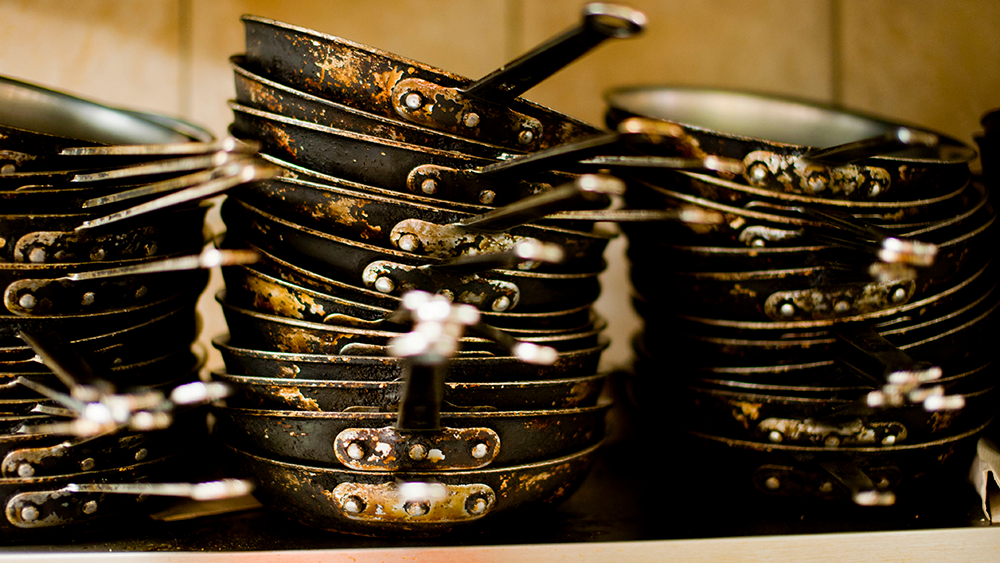
Your pots, pans, and prep tools are the backbone of your kitchen. You've invested in high-quality metal equipment to smooth operations and best serve your customers. However strong these metal tools are, rust can quickly compromise performance and safety.
Even if you scrub away every visible speck of rust, microscopic flakes can remain. These tiny imperfections turn smooth surfaces into hidden traps for bacteria, debris and moisture, posing a food safety risk even if things are squeaky clean. That’s the issue that can flag your kitchen during a health inspection. You certainly can’t afford that, since failing could force you to shut down or close.
When corrosion occurs, many managers do what seems logical — replace the damaged item. However, that’s often just a Band-Aid solution. Constantly replacing rusted tools and equipment adds up quickly, not just in purchase costs, but in:
Downtime from waiting on replacements.
Labor costs from extra cleaning or temporary workarounds.
Potential lost revenue from failed audits or shutdowns.
Oxidized equipment quietly drains your kitchen budget. Rust becomes a costly black hole. The smarter approach is to tackle the root cause with preventive practices that keep your metal tools in top shape before corrosion settles in.
Outsmart Oxidation with Rust-Preventive Measures
Corrosion is sneaky, expensive and dangerous to food safety. While it’s not 100% preventable, you can still slow down the process with the right materials, smarter sanitation protocols and better design thinking. Audit your kitchen to see what changes you can make to protect your cookspace from rusting.








Learn how to create outdoor dining spaces that draw more guests with tips on timing, layout, weather-proofing, ambiance, and marketing.