

By Rachel Meyers, Contributor
Restaurants planning a big move face a unique challenge that goes beyond changing their address. Relocating involves strategic financial planning, precise coordination, and a clear understanding of timing to minimize downtime while keeping operations steady. When approached correctly, it can be an exciting opportunity to expand a brand, reach new customers, and improve overall profitability.
Well-thought-out budgeting tips for restaurants planning a big move are at the heart of a successful transition, turning what could be a stressful experience into an exciting announcement your customers will look forward to.
Understanding the Full Scope of Costs

One of the biggest mistakes restaurant owners make when planning a move is underestimating the expenses involved. Beyond the obvious costs of hiring movers and securing the new location, there are hidden expenses such as permits, inspections, utility transfers, and possible renovations.
Taking the time to research and outline every potential cost helps avoid financial surprises that can disrupt operations. Even details such as signage changes, parking adjustments, and changes to insurance policies can add up quickly if overlooked.
Timing and Budgeting Tips for Restaurants Planning a Big Move
Not every season or week is ideal for moving. Restaurants should consider revenue trends and customer patterns when selecting a moving date. If there are predictable slow periods, scheduling the move during that time can reduce the impact on revenue.
Additionally, providing advance notice to staff and customers builds goodwill and allows everyone to plan accordingly. Timing is also important when coordinating with contractors, movers, and inspectors. If renovations or upgrades are needed, factoring in that time ensures the grand reopening happens as scheduled.
Negotiating Lease Agreements Wisely
The lease for the new location is one of the largest expenses, and negotiating favorable terms can significantly impact the restaurant’s financial health. Understanding the neighborhood, projected foot traffic, and local competition informs smart negotiations. Some landlords may offer incentives such as reduced rent for the first few months or assistance with renovations, which can free up funds for other critical areas of the move. A well-structured lease can create financial breathing room during the critical period following relocation.
Managing Equipment and Inventory
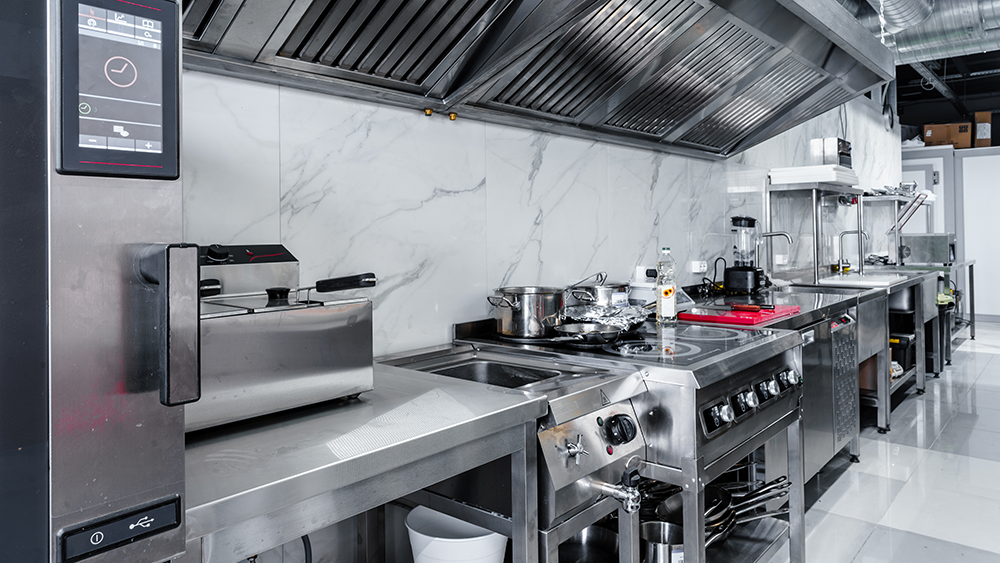
Restaurants rely on specialized equipment and relocating it requires careful handling. Choosing professional movers experienced with commercial kitchens is essential. Always work with experts who are experienced in restaurant moves, as they will know best how to safely and efficiently handle restaurant equipment moving.
It's crucial to ensure your equipment arrives intact, as any damage can result in costly replacements and delays. Additionally, consider reducing inventory before the move to avoid waste and simplify transportation. A thoughtful inventory plan can minimize spoilage and keep opening week organized and efficient.
Preparing a Contingency Fund
No matter how carefully a move is planned, unexpected costs are inevitable. Allocating a portion of the budget for surprises protects the restaurant from financial strain. This contingency fund can cover issues such as last-minute repairs, delays, or necessary upgrades that were not initially anticipated. A financial cushion can also reduce stress during an already demanding time. This safety net ensures that unforeseen challenges do not derail the entire process or compromise the quality of the new space.
Coordinating Staff and Training Costs
Staffing is a key consideration during relocation. Not all employees may be able to transition to the new site, and there could be expenses associated with hiring and training new staff. Factoring in wages during downtime, transportation assistance for current employees, or training sessions for new hires ensures a smooth reopening. Investing in staff preparedness pays off in customer service and operational consistency. Clear communication with employees during the process builds trust and helps maintain morale.
Marketing and Customer Communication

A relocation provides a natural opportunity to refresh a restaurant’s brand and marketing strategy. Allocating part of the budget to marketing efforts can ensure customers know where and when to find the new location. This might include updated signage, social media announcements, promotional offers, or even a reopening event to generate buzz and bring in foot traffic immediately after the move. Keeping the customer base informed builds loyalty and can even attract new patrons who are curious about the change.
Addressing Legal and Licensing Requirements
A new location often means new legal requirements. Restaurants must confirm that their licenses, permits, and health inspections are up-to-date and valid for the new jurisdiction. Budgeting for application fees, inspections, and possible compliance upgrades prevents delays that can impact opening day.
Staying proactive in this area protects the restaurant’s reputation and operational readiness. Overlooking even a minor compliance detail could delay opening or result in costly fines.
Minimizing Downtime
Time is money, especially in the restaurant industry. Each day a restaurant is closed represents lost revenue. Creating a timeline that minimizes downtime is crucial. Coordinating contractors, movers, and inspectors in a well-organized schedule helps avoid costly delays. Some restaurants choose to operate temporarily in a limited capacity, offering catering or takeout, to maintain cash flow during the transition. Creative solutions like pop-up versions of the restaurant can also keep the brand active while the main location is offline.
Reviewing and Adjusting the Budget Regularly

A move is a dynamic process, and expenses can shift as plans evolve. Reviewing the budget regularly ensures that costs remain on track and that any necessary adjustments are made promptly. Transparency among decision-makers keeps everyone aligned and allows for quick action when unexpected developments arise. A flexible budgeting approach helps maintain control throughout the relocation, ensuring that short-term decisions support the revenue boost and long-term success of the business.
Turning Challenging Process into an Exciting Opportunity
By implementing smart budgeting tips for restaurants planning a big move, thoroughly understanding costs, and timing the move strategically, the relocation can strengthen the business instead of straining it. With thoughtful budgeting and a clear vision, what begins as a complex undertaking can become a smart investment in the restaurant’s future growth and success.

About the Author:
Rachel Meyers is a seasoned hospitality consultant with over a decade of experience helping restaurants plan successful relocations. Passionate about growth, branding, and operational strategy, she writes to guide business owners through major transitions with confidence and clarity. In her free time, she enjoys visiting local farmers’ markets and trying out new recipes at home.









Learn how to create outdoor dining spaces that draw more guests with tips on timing, layout, weather-proofing, ambiance, and marketing.