

By Ellie Gabel, Contributor
You sweat the menu, plating and guest experience, but behind the scenes, your hot water system works hard to keep everything safe. While it doesn’t get Instagram photos, it does the heavy lifting every time you sanitize prep surfaces and run the dish line.
A steady hot water supply is a critical control point for preventing foodborne illness and passing health inspections. When water is too cool, cross-contamination risks rise, so hot water systems are essential to keeping your kitchen running clean.
Hot Water’s Role in a Sanitary Kitchen
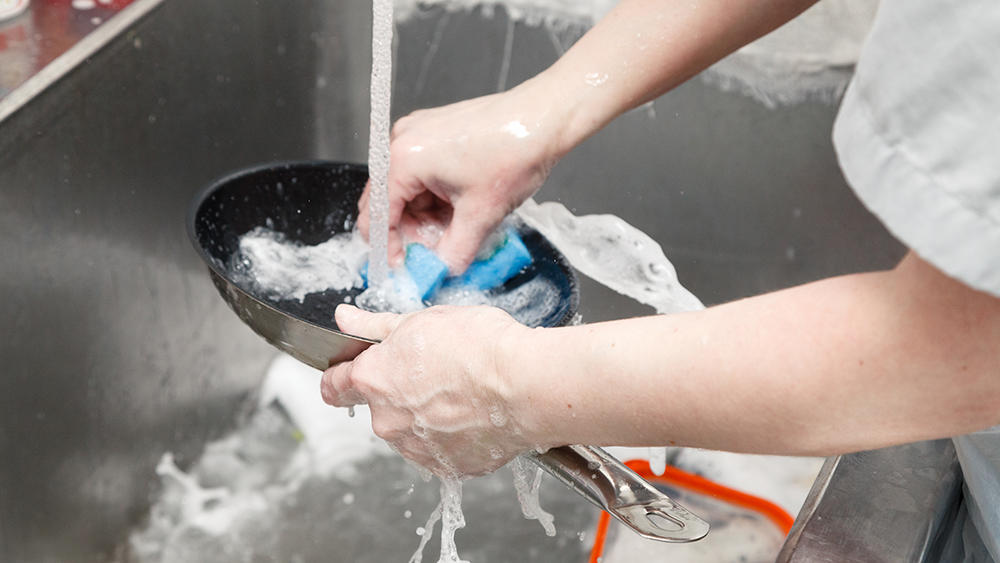
Hot water is the powerhouse in any kitchen, making cleaning and sanitizing work. When your heaters and sinks operate as they should, staff can wash properly, machines can hit their sanitizing cycles and inspectors don’t find surprises.
Handwashing is the first line of defense against cross-contamination, so sinks should deliver warm water at least 100 degrees Fahrenheit and soap. Washing dishes and cookware is a multi-step job, including washing with detergent, rinsing and sanitizing. Many dishwashers and manual hot water sanitizing methods rely on high rinse temperatures, so knowing which method your kitchen uses and following the required temperatures is crucial.
Hot water also helps lift grease and food residue from counters, floors and equipment, which makes sanitizers more effective. Cleaning and sanitizing with the right temperatures every time ensures a cleaner surface to work on, lowering the chance that bacteria survive.
The Risks of System Failure
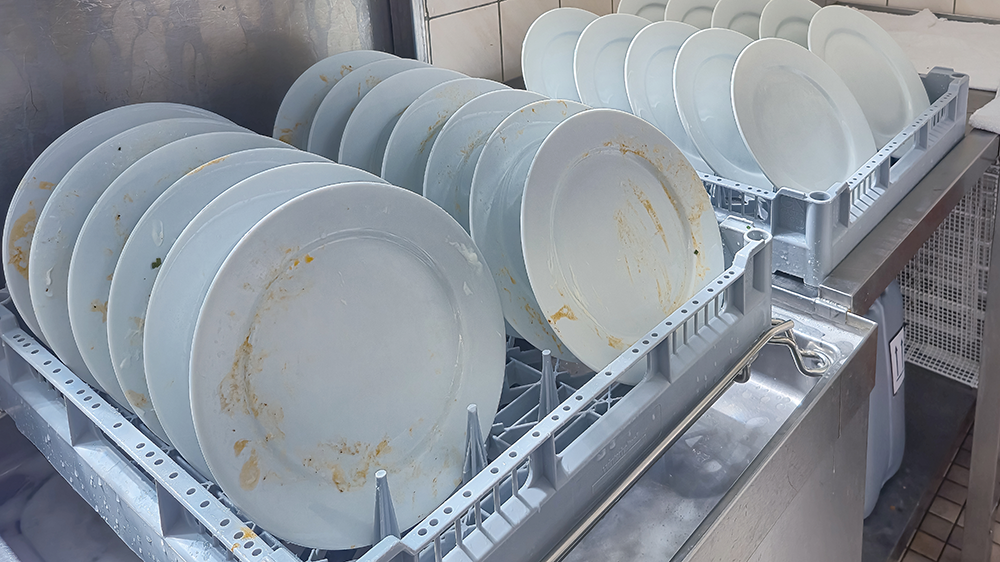
When a hot water system goes flaky, problems can affect the whole operation. Without reliable hot water, handwashing stations cannot meet their sanitizing cycles and surfaces don’t get the proper cleaning they need. That makes the food safety harder to control and raises the chance of contamination or an inspector finding a critical problem.
A lack of adequate hot water is also a health code issue that can cause consequences like corrective orders, fines and temporary closure. That means scheduled shifts can be canceled, dishwashing stops, and you’ll scramble to get takeout pans and prep surfaces safe again while losing revenue.
Beyond an operational hit, there’s also the risk of eroding customer trust over the long run if a single food-safety incident occurs. People remember whether there was a foodborne illness incident or a rough inspection report more easily than a smooth service night. That damage can cut bookings and five-star reviews long after you’ve repaired the pipes.
Ensuring System Reliability
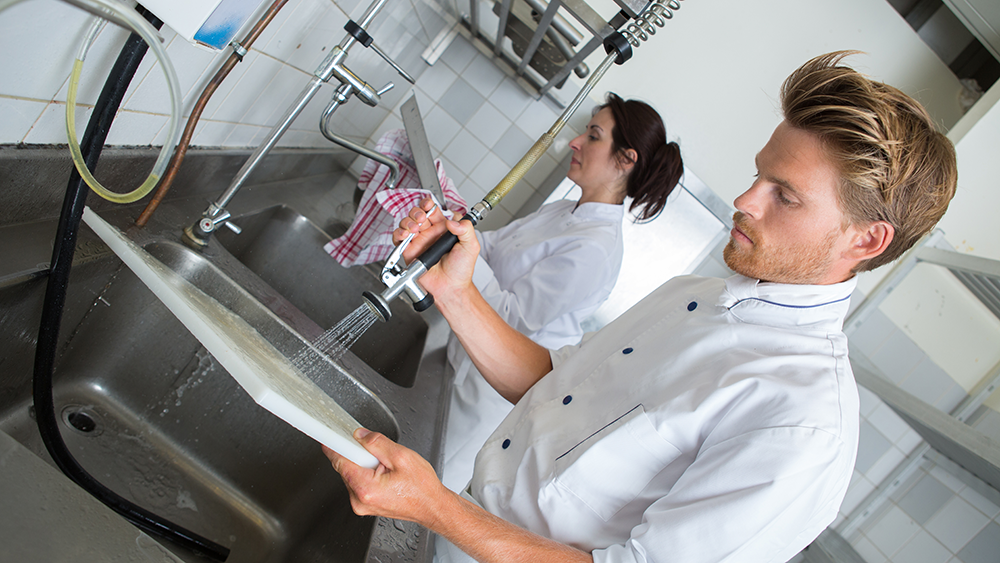
Fixing a hot water problem after it happens is expensive and stressful. The smarter move is to keep up with maintenance in small, regular tasks over time to keep the whole system running. Remember, a hot water system is an entire network of pipes, valves, pumps, controls and a boiler. Every part needs attention.
Prevention beats panic. Waiting for a breakdown means lost shifts, emergency repairs and hasty workarounds that may not meet health-code rules. Regular service visits catch issues early and keep your system efficient.
Implementing regular upkeep prevents unexpected breakdowns and extends the life of the system, saving money and headaches over time. For example, a boiler can build up lime scale after several years of operation and run less efficiently. Regular boiler maintenance removes those minerals to keep that issue from happening.
Consider signing a service contract with a trusted technician, scheduling seasonal tune-ups, keeping a maintenance log and temperature checks and training staff to run daily checkups. Those small, organized steps will make the hot water system something you barely have to think about, so you can get back to building revenue for your restaurant.
Building a Strong Hot Water Strategy
Good systems start with people and simple routines. The following low-effort steps can ensure restaurant owners keep hot water working and make maintenance painless:
Train staff on what to watch for: Make year-round training part of routine ops — it improves consistency and reduces mistakes, which matters when restaurant turnover runs high.
Do quick daily temperature checks: Use a basic thermometer to check a hand sink and the dishmachine rinse — log date, time and who checked.
Keep a short maintenance log: Record issues, repairs and seasonal tuneups so techs can spot trends.
Use booster heaters where useful: Boosters let diswashers reach high rinse temps without scalding every sink, so pair them with thermostatic mixing valves.
Practice and communicate: Run the checks during opening and closing routines and briefly review them in shift huddles so they become a habit.
Keep It Hot, Keep It Safe
A sound hot water system is a basic food-safety tool. When you sanitize effectively with small checks and scheduled maintenance, inspections will be far less stressful. Treating upkeep like an investment protects customers and keeps the kitchen running smoothly.








Learn how to create outdoor dining spaces that draw more guests with tips on timing, layout, weather-proofing, ambiance, and marketing.