

By Ellie Gabel, Contributor
Restaurant workers lean on knives more than any other tool in the kitchen. Knives break down cases, speed preparation times, and set the pace for service. When blades are maintained, your team cuts faster and with fewer mistakes. When they aren’t, production drags and risks rise.
The simplest way to protect people and margins is to keep edges sharp and processes consistent.
Why Dull Restaurant Kitchen Knives are Dangerous
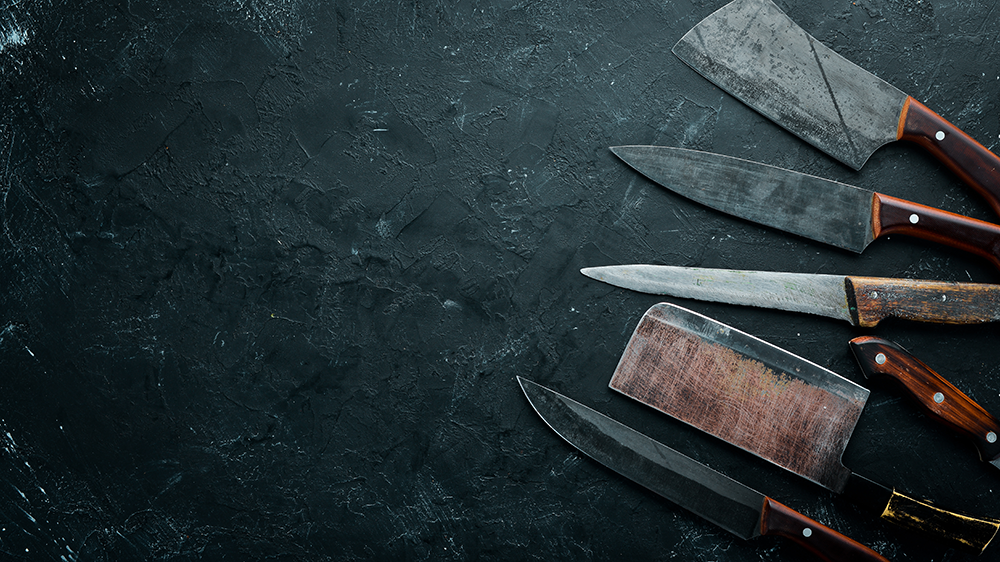
A dull blade puts you behind from the first cut. It forces cooks to change their grip, push harder and take awkward angles. That tension ripples into slower tickets and leads to more bandages. There are four reasons why a dull knife is a real hazard:
More force, less control: A blunt edge needs extra pressure to penetrate produce or protein. Extra pressure means less stability — hands creep forward, and tips skate off onions. The moment the edge breaks through tough skin, stored force releases and the blade jumps. Safety guidelines reinforce the point that keeping knives sharp reduces cuts and slips.
Sliding instead of slicing: On tomatoes, citrus, poultry skin or silverskin, a dull edge rides the surface instead of biting. That slide can send blades toward fingers or across the board into nearby items.
Crushing that raises contamination risk: A ragged edge tears and smears. Juices spread farther on the board and into small grooves, which can harbor bacteria. Keeping boards stable and knives sharp supports cleaner cuts and easier sanitation between tasks. The Food and Drug Administration (FDA) emphasizes cleaning and separation as critical controls.
Fatigue and form breakdown: Pushing a dull knife all shift beats up wrists and shoulders. Fatigue erodes technique, leading to shortcuts and accidents. Health and safety guidance for catering focuses on training, fit-for-purpose tools and sharp blades as a practical way to limit accidents.
While you’re thinking about metals and maintenance, remember that material choice matters. Stainless steel is a workhorse in commercial kitchens because it’s durable, easy to clean and resistant to most rust. Among common grades, 316 resists chloride attack better than 304, which is helpful anywhere salt and steam live side by side.
Best Practices for Chef Knife Care and Safety
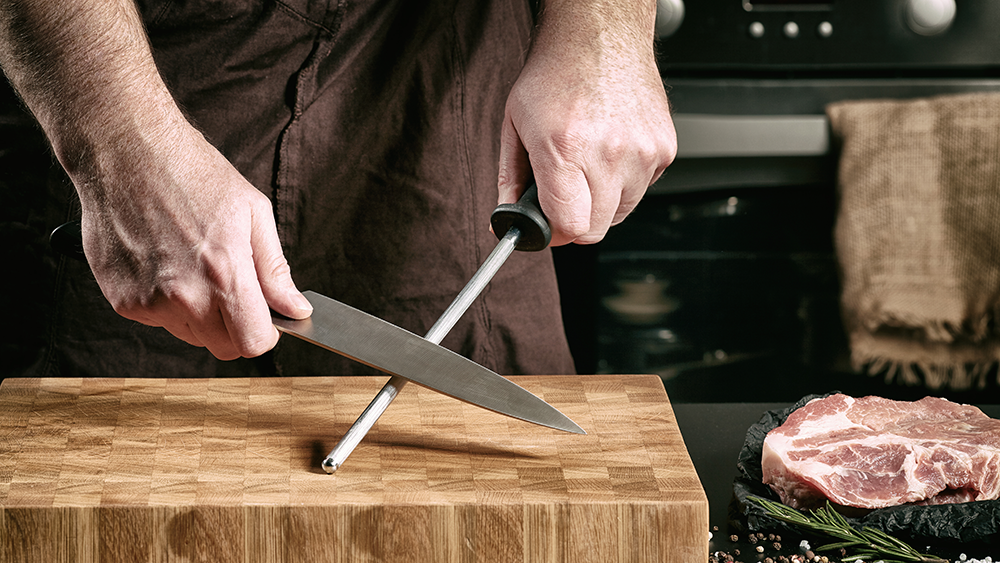
Sharp knives don’t happen by accident. Build simple habits into your restaurant’s opening, mid-shift and closing procedures. You’ll prevent injuries, keep cut quality high, and hold labor steady.
Set a honing and sharpening cadence: Hone on a steel or ceramic rod as part of the line setup and whenever you feel drag. Depending on your volume, schedule professional or in-house stone sharpening. Many operations hone daily and sharpen at a set interval by station.
Inspect like you mean it: Build blade checks into pre-shift and mid-shift routines. A good rule of thumb is to inspect at the beginning of each shift and monitor throughout production. If you feel any drag, see tearing or get inconsistent cuts, swap or sharpen.
Wash by hand and dry immediately: Dishwashers can be hard on edges and handles. To extend the edge and reduce rust, wash knives by hand with hot, soapy water, rinse, and dry right away.
Choose the right board and lock it down: Use sturdy wood or quality plastic boards and anchor them with rubber feet or a damp towel to stop movement. A stable board and a sharp edge reduce slips and keep grooves from deepening. Replace boards that have deep cuts.
Store with the edge protected: Use magnetic strips, in-drawer guards or wall racks with positive retention. Avoid tossing knives in bins where the edges hit steel or other knives. Safe storage also prevents accidents.
Quick Chef Knife Safety Tips
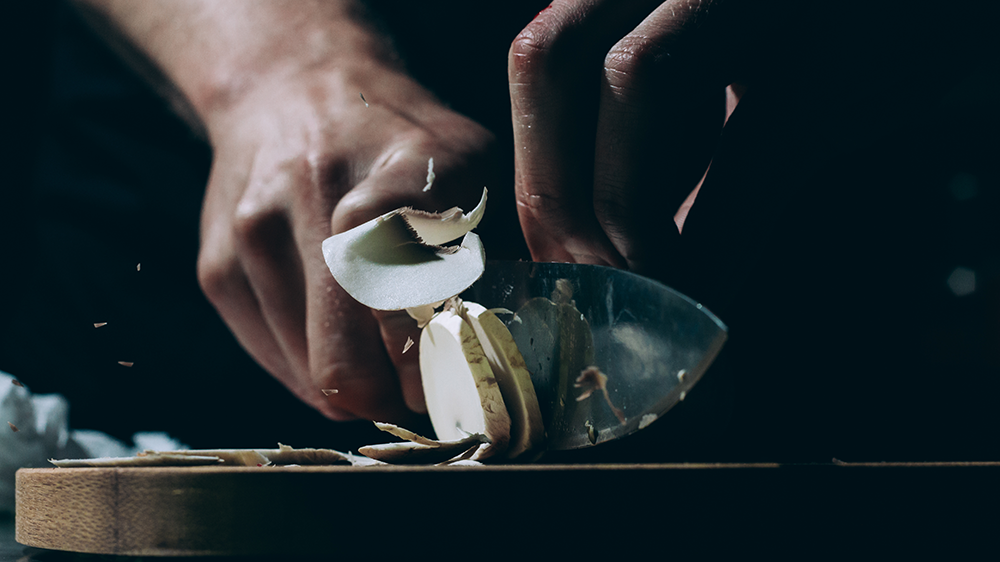
Even the sharpest knife can spread pathogens and foodborne illnesses if you switch between raw chicken and ready-to-eat prep. Clean and sanitize knives and boards between tasks, and keep raw and steady workflows separate.
Train staff to keep their eyes on the blade, curl fingertips and never leave sharps in sinks. Pass knives handle-first or set them down for the other user to pick up. Post a short refresher near the board station and include it in every new hire’s day-one training.
No Dull Blade in Your Restaurant’s Kitchen
Sharp knives protect your restaurant’s people and margins. They keep prep moving and your plates look better. When you adopt a simple maintenance loop, anchor sanitation and choose materials that stand up to your station, your cooks feel the difference and your guests taste it. Treat knife care as a daily operation, not just a side task. The payoff shows up in safer shifts, faster service and cleaner food.






In President Trump’s “One Big Beautiful Bill Act” is a “no tax on tips” provision. However, the rule isn’t as clear cut as the restaurant industry would like. Here’s what counts and what doesn’t.